
A three-part series by The Northwoods Ledger
Part 1
The Cost of Clear Water
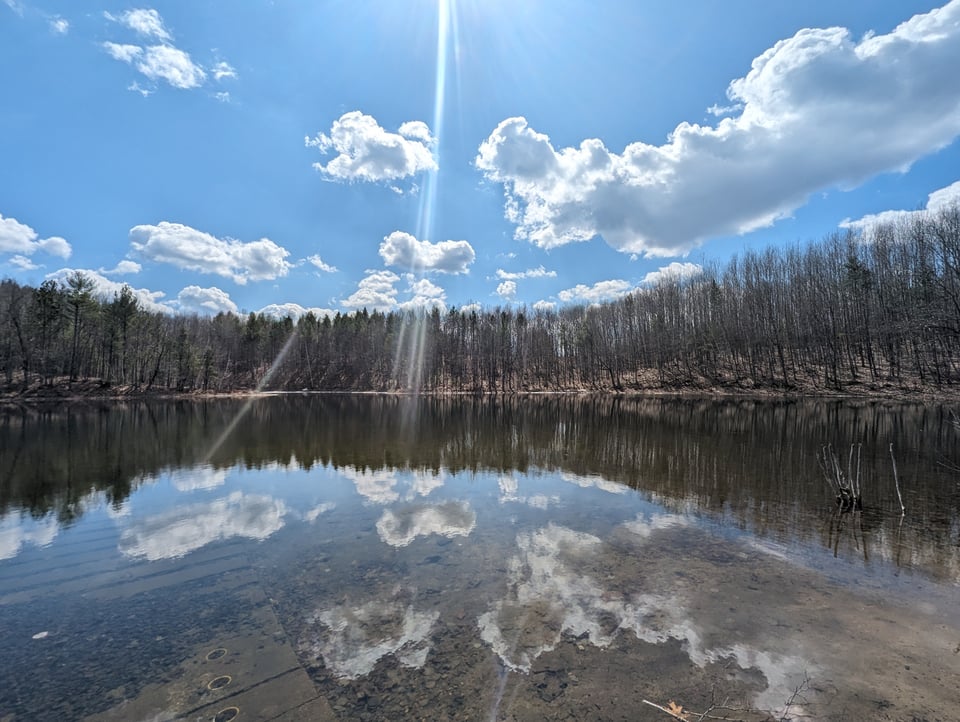
Managing the 28 connected lakes of the Eagle River and Three Lakes Chain costs tens of thousands of dollars every summer. If state gas tax grants and local volunteers do not cover the bill, the financial burden falls directly on local property owners across Vilas and Oneida counties.
The chain covers more than 11,000 acres of open water. Keeping the navigation channels clear of invasive weeds requires constant engineering, paid scuba crews, and continuous grant applications.
The Threat to the Tax Base
The primary threat beneath the surface is Eurasian watermilfoil. This invasive plant forms dense mats that wrap around boat propellers, crowd out native fish habitat, and block access to shallow bays. When weeds choke a bay, boats cannot navigate, and waterfront property values decline.
Data from Oneida County Land and Water Conservation shows that chemical herbicide treatments cost between $200 and $2,000 per acre. Mechanical harvesting costs up to $600 per acre and must be repeated throughout the summer. Across an 11,000-acre chain, an unchecked weed infestation creates a major financial problem for local townships.
This risk is documented across the region:
On Long Lake in Vilas County, milfoil infestations previously expanded into 25 solid acres of surface mats, stopping boat traffic until harvesting crews stepped in.
On the Minocqua-Kawaga Chain in Oneida County, milfoil spread across more than 200 acres. Harvesting crews spent 60 days hauling out over 9,000 cubic feet of wet plant material to keep boat channels open.
Scuba Divers and Vacuum Tubes
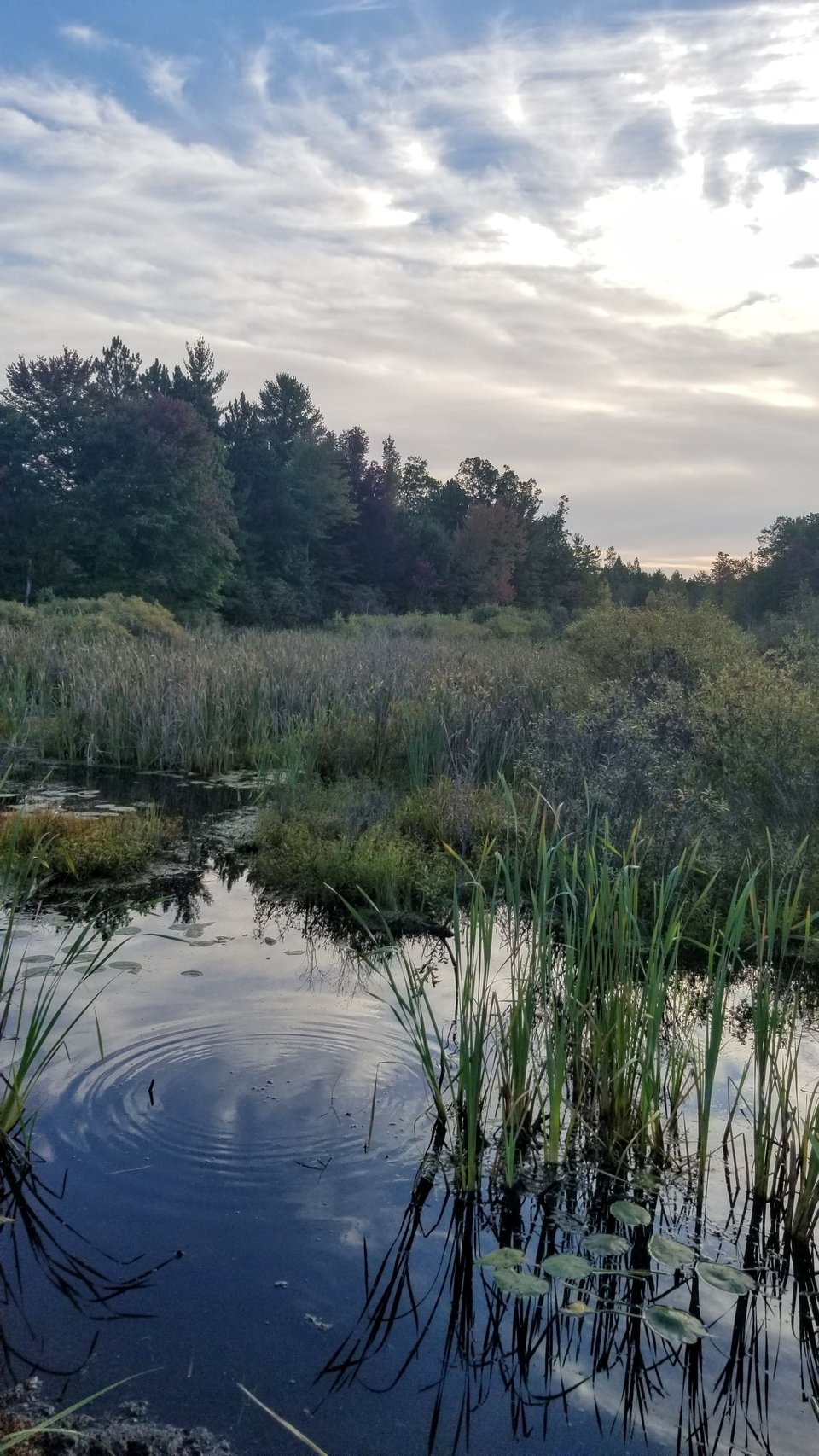
To avoid heavy chemical use, local lake groups on the lower chain use Diver Assisted Suction Harvesting, known as DASH.
DASH is physical labor. Scuba divers submerge into murky water, pull milfoil out by the roots, and feed the plants into a vacuum intake hose. The hose carries the weeds up to a filtration mesh on a floating pontoon boat.
This work requires significant funding. According to budget records from the Unified Lower Eagle River Chain of Lakes Commission, formed by the City of Eagle River and the Towns of Cloverland, Lincoln, and Washington, managing the lower ten lakes requires tens of thousands of dollars each year.
For a single season, the Commission budgeted $65,605 for aquatic plant management:
$37,860 for private scuba harvesting contractors.
$26,845 for Onterra LLC, an engineering firm hired to map weed beds and track plant density.
$900 for Clean Boats, Clean Waters landing monitors.
State Funding and the Gas Tax Formula
Most of this funding comes from state motorboat fuel taxes and registration fees administered through the state Conservation Fund.
Under Wisconsin Statute Section 25.29(1)(c), the state calculates this gas tax transfer using a specific formula. It takes the state gas tax rate, multiplies it by an estimated 50 gallons of fuel per registered motorboat, and then applies a mandatory 1.4 multiplier. This extra 40 percent booster acts as a statutory cushion to capture untracked fuel used by out-of-state tourists, commercial boats, and high-horsepower watercraft.
In recent funding cycles, the Wisconsin Department of Natural Resources (WDNR) awarded more than $1.1 million in surface water grants across Vilas and Oneida counties.
Local allocations include:
Three Lakes Waterfront Association: Secured a $30,000 grant to monitor Long, Planting Ground, and Range Line lakes, plus $12,000 for boat landing inspectors.
Lower Chain Commission: Uses a three-year, $150,000 Established Population Control grant that covers up to 75% of eligible operational management costs.
The Budget Crunch and Local Tax Limits
The DNR's September 15 grant deadline leaves no room for administrative delay. A late weed survey, a missed spring eligibility filing, or a cancelled board meeting can instantly disqualify a volunteer lake association for the coming year. When an association misses that date, state matching funds vanish.
Townships draft their annual budgets in October and November. If state grants fall through, town boards cannot step in to cover the gap.
Under Wisconsin Statute Section 66.0602, municipal property tax increases are legally capped at the rate of net new construction. Town supervisors cannot legally raise local property taxes to pay an unexpected $50,000 weed harvesting bill.
To bypass this financial wall, communities across Oneida County are turning to statutory Lake Districts under Wisconsin Statute Chapter 33. Property owners on Kathan Lake recently petitioned the county board to establish a district, following the successful launch of the Crescent Lake District. These moves show how local waterfront neighborhoods are taking control of their own funding.
A Chapter 33 Lake District operates as an independent public body with its own taxing power. By placing a direct tax assessment on waterfront properties, the district guarantees annual local funding and secures required grant matches long before state deadlines arrive.
(We believe that informed voters are the only defense against fiscal mismanagement and the erosion of local resources. If you are a paid subscriber, thank you for making this work possible.)
You just read issue #106 of Northwoods Ledger. You can also browse the full archives of this newsletter.