
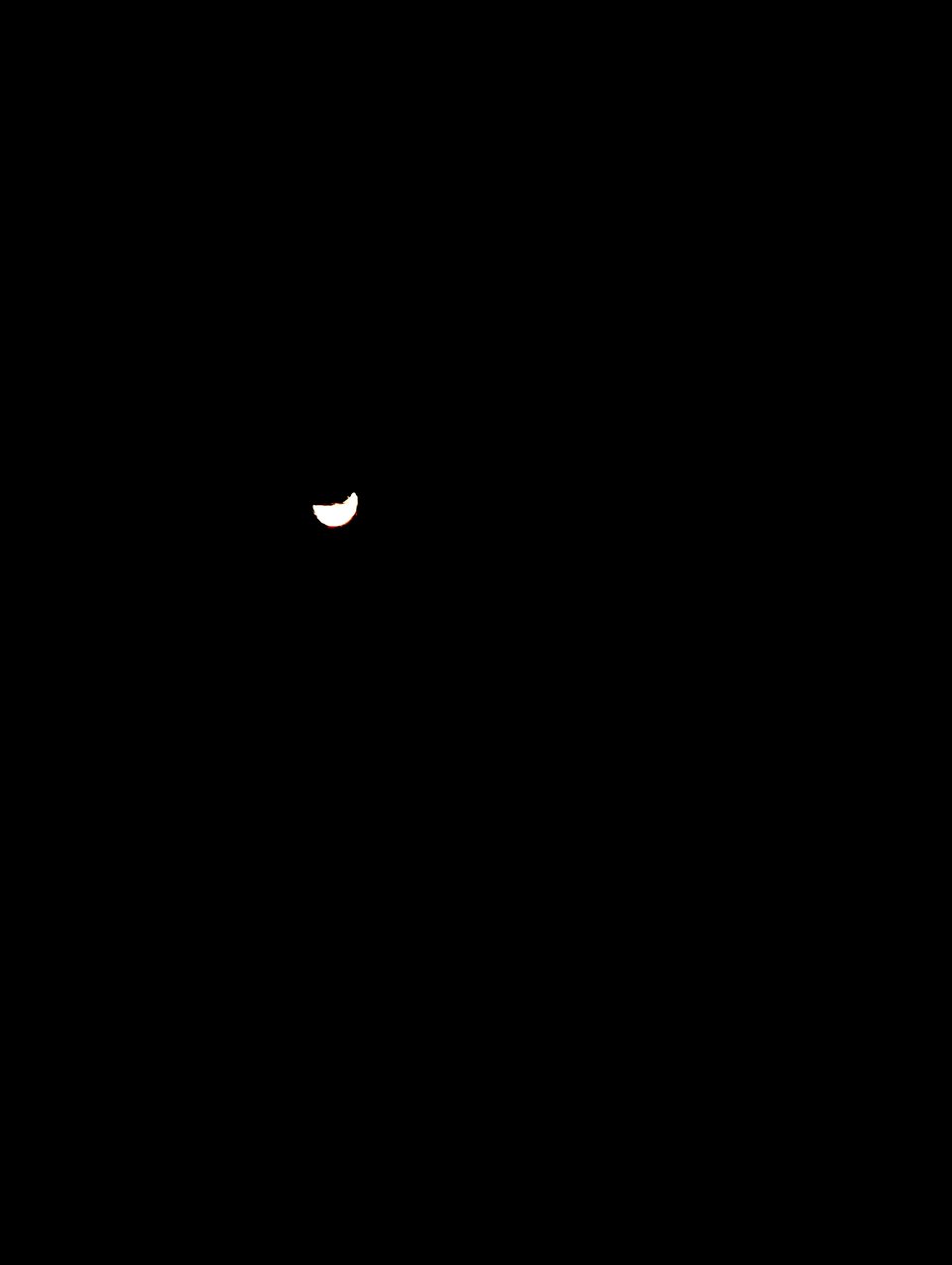
Thursday night at 11:12 PM, Earth's shadow will swallow 96.2 percent of the full moon. That is as close to a total blackout as you can get, leaving only a hairline sliver of bright white light on the top edge while the rest of the moon turns a dark copper red. You do not need an observatory, a telescope, or special eye protection. You just need a south-facing view over open water, a heavy jacket against the midnight damp, and the patience to stay up late.
The Field Timeline (Central Daylight Time)
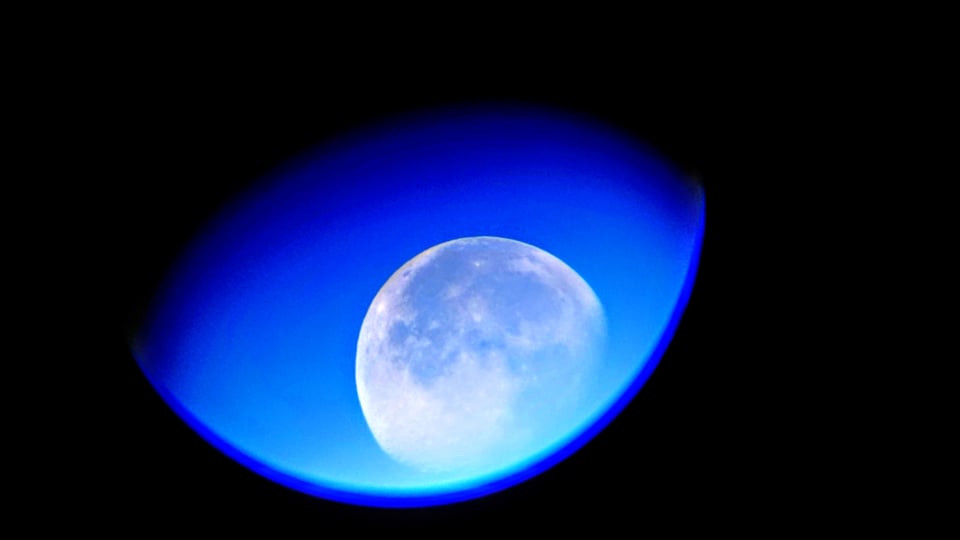
9:33 PM: The First Bite. Earth's dark inner shadow touches the lower edge of the moon. To the naked eye, it looks like a clean, curved notch carved out of the bottom rim.
11:12 PM: Peak Eclipse. Earth's shadow covers almost the entire disc. That tiny sliver of direct sunlight remains on top, while the rest glows a bruised, dusky orange.
12:51 AM (Friday): The Shadow Clears. The hard shadow exits completely, returning the moon to its usual blinding white light.
Sightlines, Fog, and Gear
The moon rides low across the south-southeastern sky throughout the night. If your cabin is tucked deep in tall pines or heavy hardwoods, the tree line will block your view. You need an open line of sight across the water. South-facing public boat launches, open dock ends, flowage dikes, or wide road cuts give you the clearance you need.
Keep an eye on the water temperature. Late August nights drop fast once the sun goes down, and shallow bays will start throwing off surface steam and fog around midnight. If shoreline mist rolls in and hides the moon, drive up to a gravel ridge or an open field at higher elevation.
You do not need specialized optics. A basic pair of 7x50 or 10x50 field binoculars gives you a sharp look at the craters inside the copper shadow, but your naked eyes will catch the color change just fine.
Logging History Under Earth's Shadow
Back in the 1880s, an overnight eclipse was an expensive problem for local timber operations. According to camp daybooks from the Daniel Shaw Lumber Company preserved in the UW-Eau Claire archives, winter crews hauled twenty-ton pine sleighs down iced road ruts between 2:00 AM and sunrise. They depended entirely on bright moonlight to steer draft horses without risking lantern sparks around dry pine slash. When an overnight eclipse killed the light, horses balked on downhill ruts and hauling ground to a dead stop until the shadow passed.
Why You Should Step Outside
A shadow on the moon does not lower your property taxes or fix county road beds, but it is worth twenty minutes on a dock. Seeing a 96 percent eclipse in person is entirely different from looking at a photo on a phone screen.
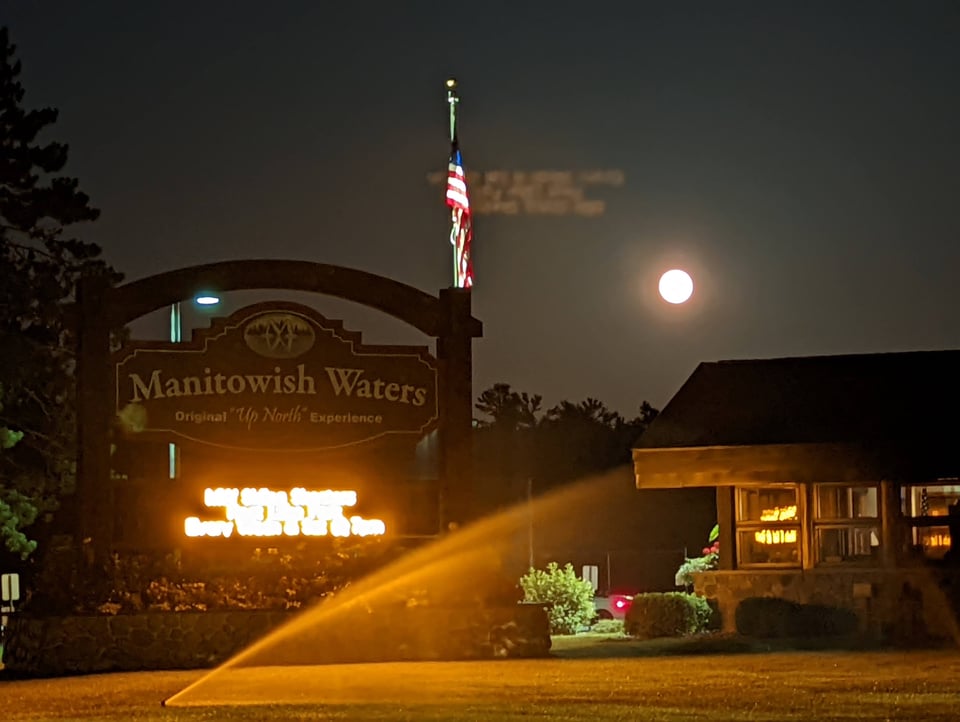
When the moon's glare cuts out at 11:12 PM, the woods will suddenly go pitch black. That sudden darkness lets the summer Milky Way and the steady yellow pinprick of Saturn snap into sharp focus against the night sky. Throw a couple of folding chairs on the dock, pour a thermos of coffee, and watch the shadow move across the water.
You just read issue #110 of Northwoods Ledger. You can also browse the full archives of this newsletter.