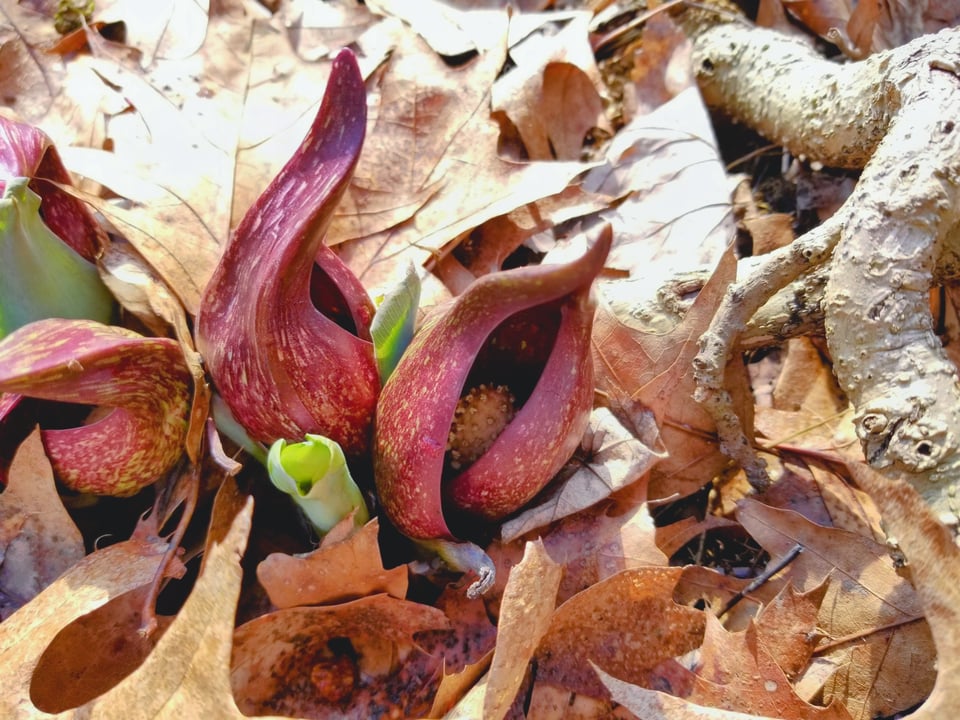
Northwoods is still locked in a deep freeze, one local resident is already hard at work. The Eastern Skunk Cabbage is the first sign of life in the spring, but it does not look or act like a typical flower. Instead of waiting for the sun, it uses its own internal heater to melt through the frozen ground. It is a biological anomaly that essentially cheats winter to get a head start on the season.
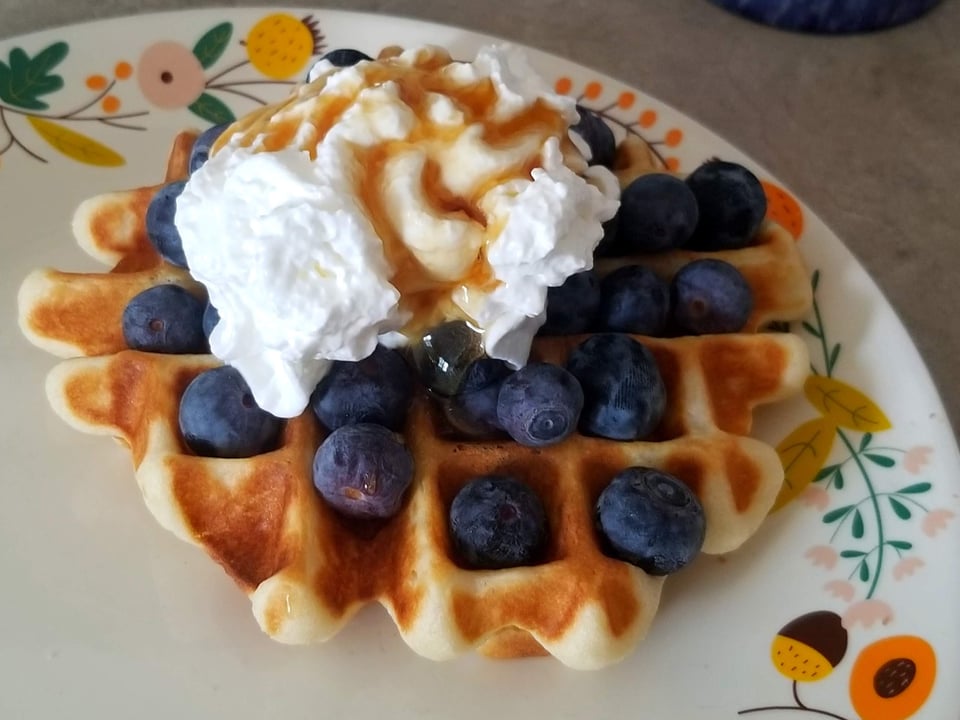
March is tapping season, the time when sugar maple trees give up their first offering of the year, sap that will be boiled down into syrup. This tradition stretches back centuries. Taps are carefully placed in mature trees, allowing the clear liquid to drip into buckets. The sap is boiled for hours over an open fire or in a sugar shack, slowly thickening into golden syrup. The reward for all the effort is a true taste of the Northwoods. A rich, smoky sweet syrup that signals the arrival of spring long before the snow melts away.
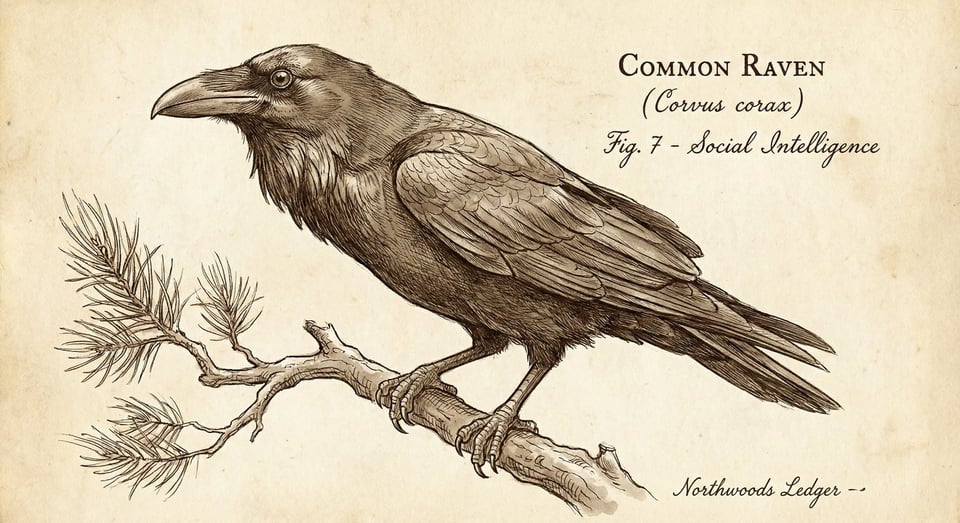
One of the first signs that winter is breaking comes not from the ground, but from the sky. Ravens, highly intelligent and deeply tied to the rhythm of the seasons, begin their nesting season in March, long before most birds have returned.
Early Architects of the Canopy Ravens are among the earliest nest builders in the Northwoods, constructing large stick nests in towering pines or on rocky cliffs. Mated pairs work together, often reusing the same site for years. Unlike other birds that wait for warmer temperatures, ravens hatch their young when winter still lingers, taking advantage of scavenging opportunities before the forests fill with competitors.
Midair Acrobatics Aside from their nesting habits, ravens are also known for their playful nature. In March, they can be seen performing aerial acrobatics, rolling and tumbling in midair, seemingly just for fun. Their deep, croaking calls echo through the woods, a reminder that even in the cold, life is moving forward.
The Canopy Builders: How Hummingbirds Engineer Nests with Spider Silk
A Northwoods spring leaves little room for error. When the Ruby-throated Hummingbird arrives in early May, the female is immediately on the clock. She needs to build a nest capable of insulating fragile eggs from late frosts while remaining invisible to predators in the canopy.
Standard materials like stiff twigs and heavy mud are useless to a bird that weighs less than a nickel. To ensure the survival of her brood, her solution requires leaving traditional construction behind and harvesting one of the strongest materials in the forest: spider silk.
The Northwoods Spring Planting Guide: Timing the Transition and Managing Deer
The Starvation Caveat: No plant is entirely deer-proof, save for the actively toxic ones. When natural forage is scarce, a starving herd will browse heavily on "resistant" plants.
Successful Northwoods gardening requires seasonal timing and defensive plant selection.
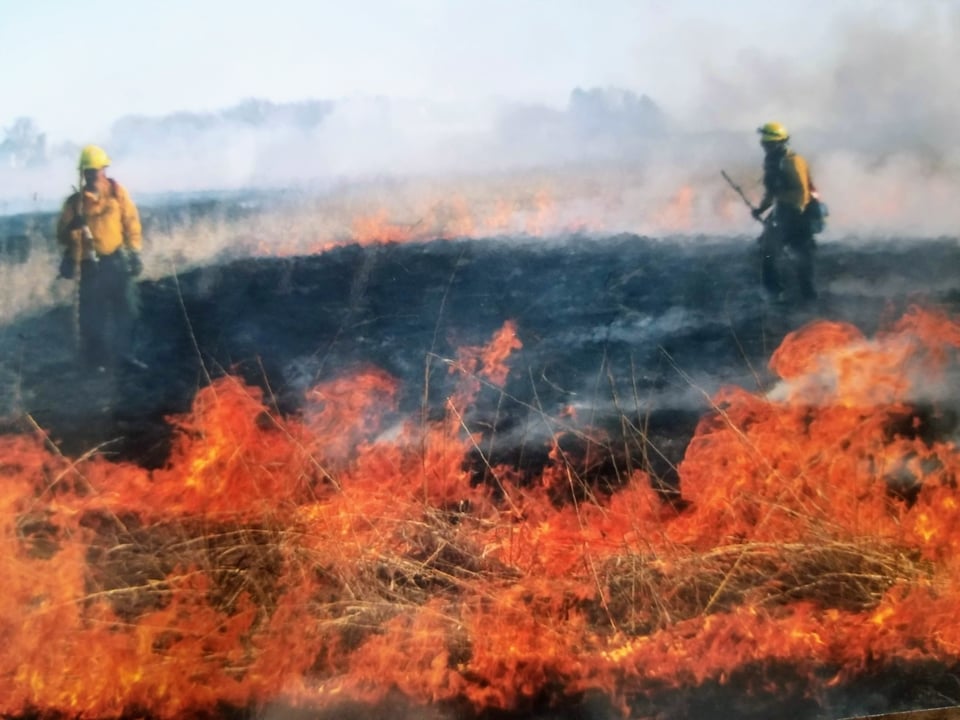
As the snowpack retreats, Northwoods property owners shift from moving snow to managing the debris left behind. This transition marks the return of the burning permit, a legal requirement that becomes active the moment the ground is no longer completely covered by snow.
With the recent appointment of staff at Woodruff Ace Hardware as Emergency Fire Wardens (EFWs), residents now have multiple ways to stay compliant while cleaning up their parcels.
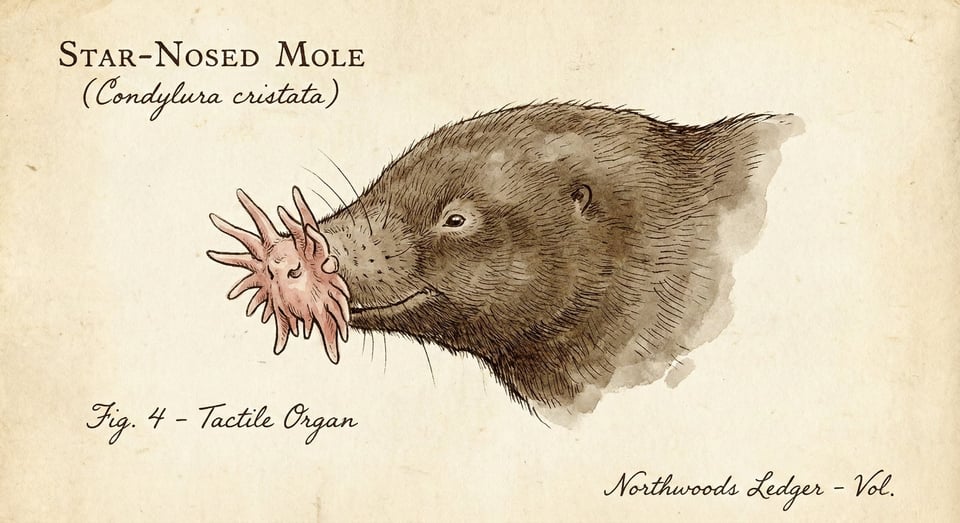
While the Eastern Mole prefers the dry, upland soils of our gardens, a far more specialized relative haunts the wet margins of Northern Wisconsin. In the mucky soils of our stream banks and lake borders, the Star-nosed Mole (Condylura cristata) operates as a pinnacle of sensory evolution. Often dismissed as a mere pest, this species possesses the most sensitive touch organ of any mammal, functioning with a speed that challenges the limits of neurobiology.
We have compiled the complete operating manual for local government.
While the full text is included below for immediate reading, we strongly recommend downloading the PDF Edition.
The PDF format provides a superior navigation experience, allowing you to jump instantly between sections. It is designed to be saved to your phone or tablet, ensuring you have the statute numbers and evidence checklists available offline when you are standing at the podium during a town hall meeting.
As a steward of the Northwoods Ledger, in addition to our monthly publication, you now have access our entire catalogue. Below is the complete index of everything we have published to date. This list is updated monthly.
Know someone who cares about the Northwoods? Forward these stories to them. Thanks for being part of the stories and traditions of the northwoods.
To the early inhabitants of the Fox River Valley, it was the "Old Council Tree," a massive elm that served as the primary landmark for diplomacy, trade, and communal gathering for centuries.
THE SENTINEL OF THE WATERWAY
Long before it was a "historic relic," the Old Council Tree was a functional and spiritual anchor for the region. Standing at the mouth of the Neenah-Fox River, its immense size made it a natural lighthouse, used as a primary navigational guide for indigenous boatmen and, eventually, early steamer pilots on Lake Winnebago.
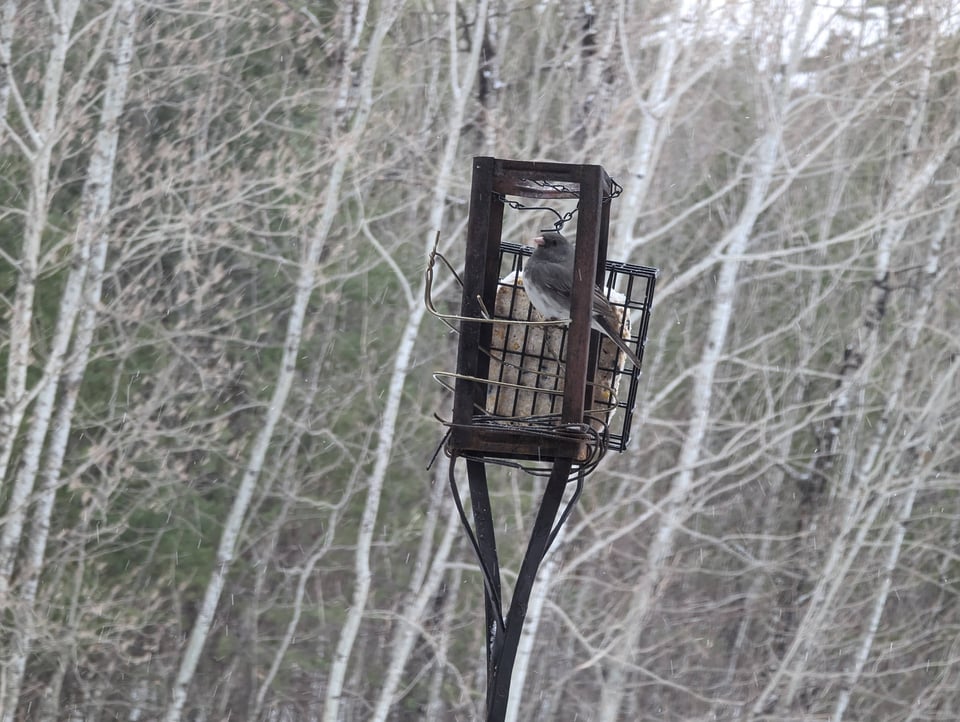
The middle of February in the Northwoods is often defined by what is missing: the green of the trees, the open water, and the warmth of the sun. However, starting today, a massive wave of activity is taking place right outside your window. The Great Backyard Bird Count begins this morning and runs through Monday.
For subscribers of the Ledger, this is more than just a hobby. It is an essential exercise in citizen science that helps researchers track how our winter bird populations are shifting in real time.
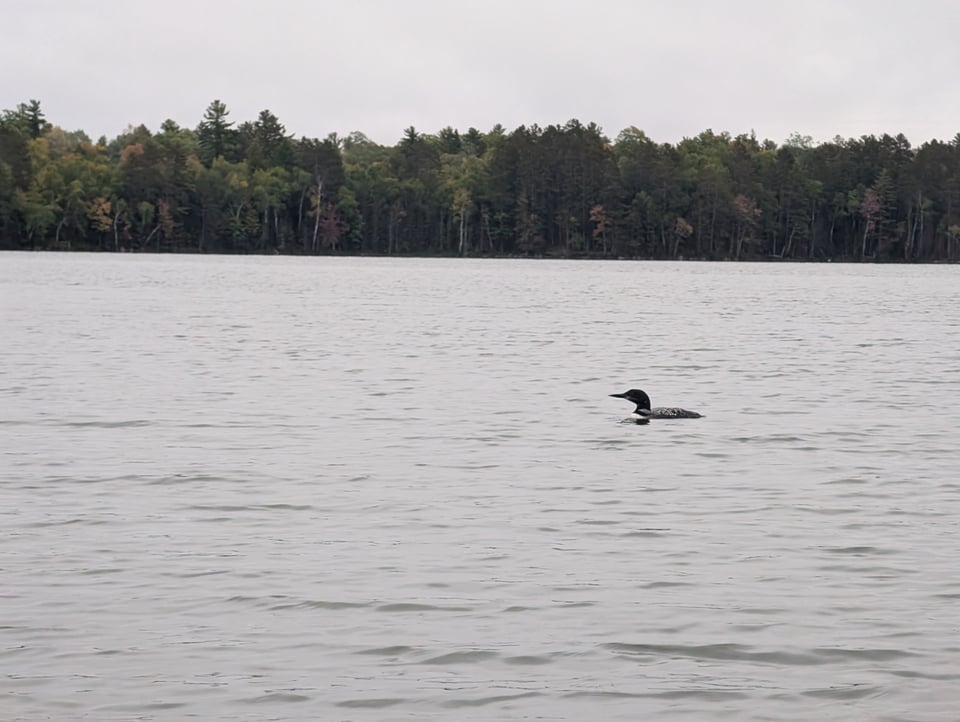
A summer in the Northwoods is defined by a few reliable constants: the smell of pine, the cool water, and the distant call of a loon. For residents and visitors alike, that sound is a sign that our lakes are still wild and healthy. But thirty years of data from our own backyard shows that this constant is slipping away. A combination of changing water chemistry and a lapse in state support has put our most iconic species on a path toward silence.
The 10 Percent Reality
For three decades, Oneida and Vilas counties have served as the world’s most important laboratory for loon behavior. But the latest findings are a gut punch. In the 1990s, nearly 50 percent of the chicks born on our lakes returned here as adults. Today, that return rate has plummeted to just 10 percent.
Explore the remaining 1% of Wisconsin's ancient forests. Learn how the Old-Growth Forest Network and The Northwoods Land Trust protect old growth forests.
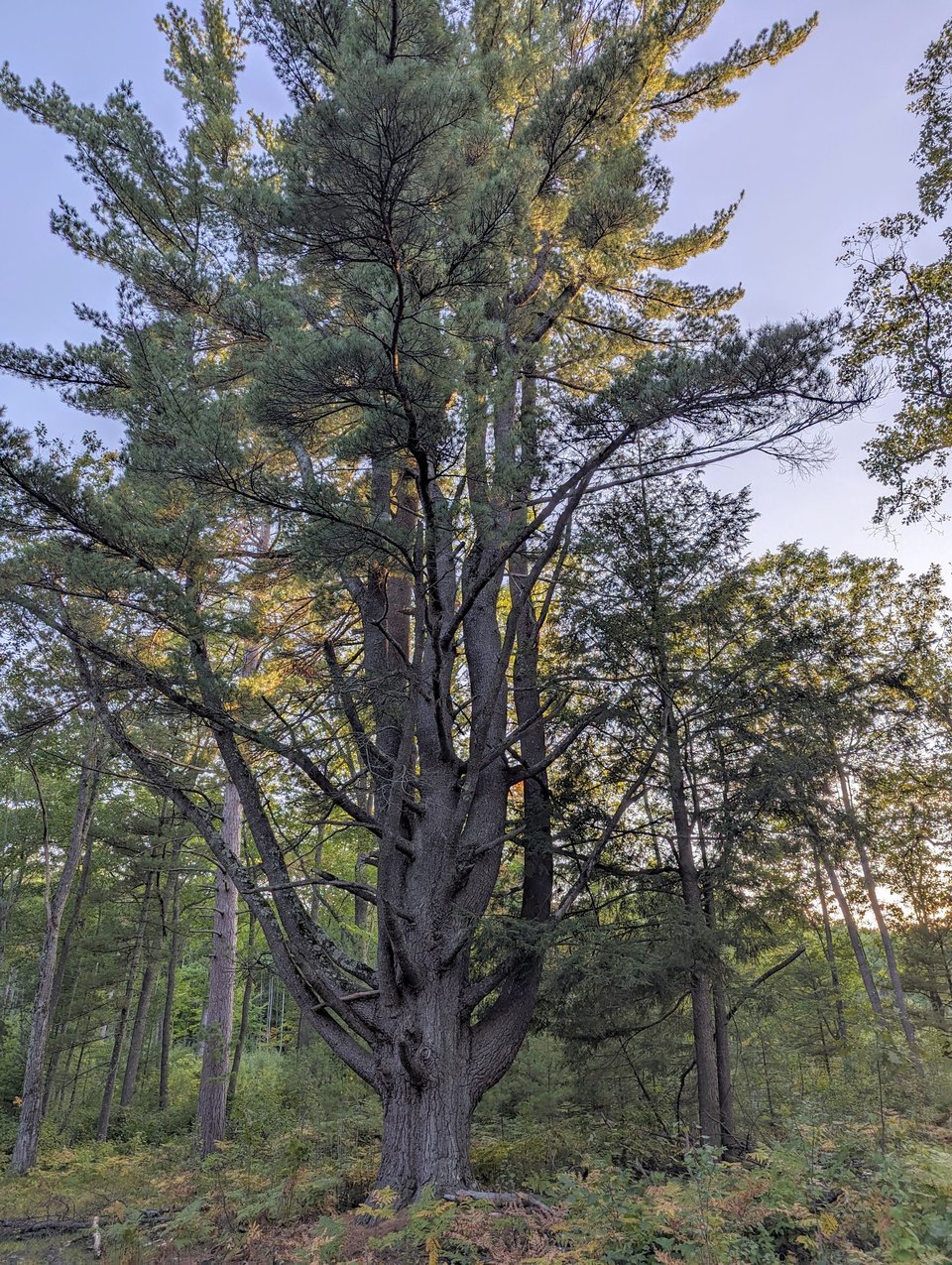
The Northwoods was once a sea of massive white pine and hemlock trees. We called it the "Great Pinery." Today, less than 1% of that original forest is left. While our local economy grew from the logging era, these few ancient stands are now the heart of our region. Saving these relics is about more than just nature. It is an investment in the historical identity and economic stability of the Northwoods.
The view from your deck is the primary driver of your property’s value, but as of the 2026 spring thaw, it is also a critical data point for county compliance. Recent implementation of Ordinance Amendment #13-2022 means that the grace period for "discretionary" shoreline management in Oneida County has effectively ended.
Under the Wisconsin Public Trust Doctrine, the state holds navigable waters in trust for the public. Local zoning acts as the "utility manager" of that trust. For the property owner, this means the 35-foot ribbon of land where the water meets the shore,the Vegetative Buffer,is now a zone of mandatory stewardship.
The discussion regarding wake boat regulation in Oneida County has shifted from town hall debates to constitutional challenges.
What began as a localized concern over shoreline erosion has evolved into a legal test of Wisconsin’s "Local Control" doctrine. As the ice goes out this April, town supervisors are implementing enhanced ordinances to regulate boat traffic, while plaintiffs have filed suit to block them, citing state supremacy.
February may be the shortest month, but in the Northwoods, it never feels that way. The deep cold remains, the ice is at its thickest, and the landscape is locked in a world of white and blue shadows.
The annual ice out is the most significant change in our regional environment. It marks the definitive transition from the silent dormancy of winter to the high-energy pulse of the spring season.
Oneida County contains several remnants of the massive pine and hemlock forests that once covered Northern Wisconsin. These old growth stands survived the logging era of the late 1800s. They now provide a glimpse into the biological history of the Northwoods. Hikers can find these towering trees on a few specific trail systems near Rhinelander and Minocqua.
Spring migration brings millions of birds through the Northwoods. These movements along the Mississippi Flyway signal that winter is over. While the calendar or the thermometer may suggest otherwise, these arrivals serve as a biological confirmation that the season has changed.
This cycle relies on a healthy environment. The 1,500 lakes and vast forests of the Northwoods provide the essential fuel for the journey.
Tracking the Arrival
Observers can track the progress of the season through three specific waves of activity:
The Ice Breakers (Late February to March): Common Mergansers appear first. They follow open water leads on the Wisconsin River or local creeks while the lakes remain frozen. By mid-March, the rattling calls of Sandhill Cranes return to thawing marshes.
The Waterfowl Push (Mid-April): This stage depends on ice-out. Large groups of ducks and geese rest on lakes like Minocqua and Tomahawk as soon as the ice retreats.
The Warbler Wave (May): This is the peak of the season. Colorful neotropical migrants like Baltimore Orioles and Rose-breasted Grosbeaks arrive from Central and South America. Ruby-throated Hummingbirds typically return by Mother’s Day.
Where to Find the Migration
Specific habitats act as stopover points where birds congregate to rest and feed:
Deep beneath the Oneida County snowpack, sitting dormant in the frozen leaf litter, next summer's light show is waiting.
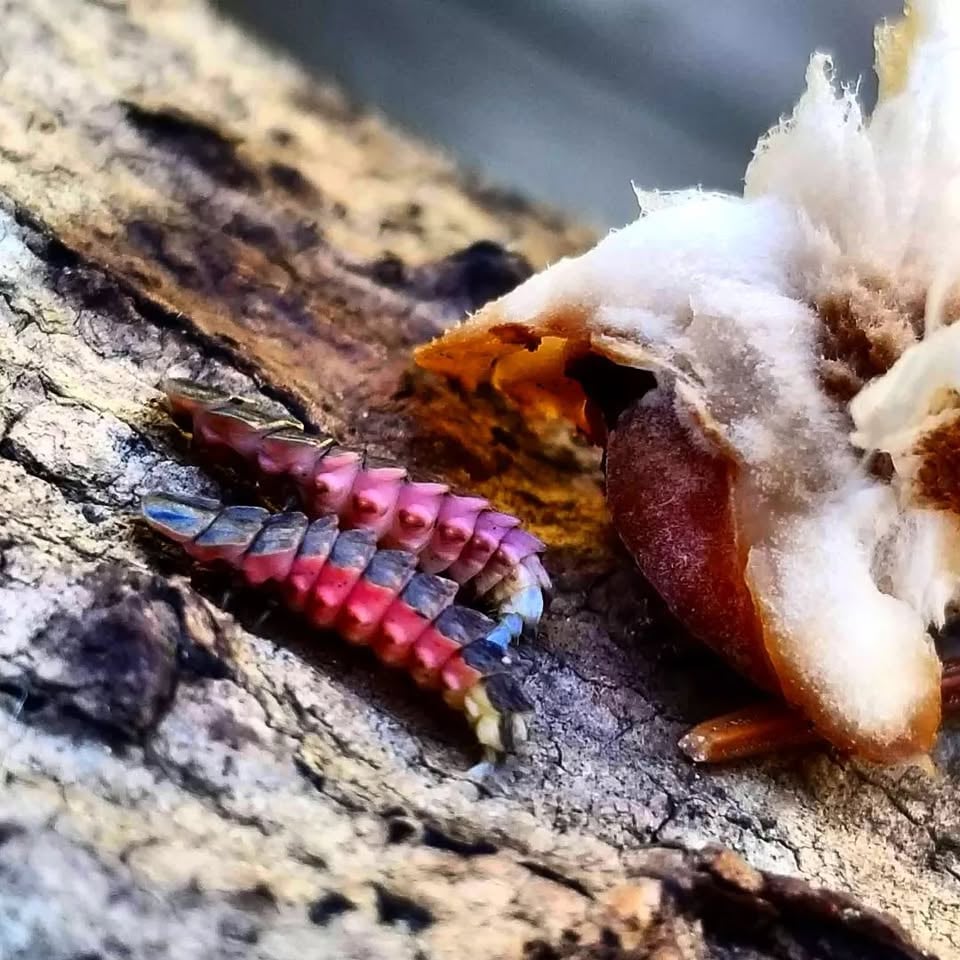
While the flashing "lightning bugs" of July feel like a distant memory right now, the insect itself is present year-round. The lifecycle of the Lampyridae family is a complex journey that transforms a voracious, armored ground hunter into the winged bioluminescent beetle that defines Northwoods summer evenings.