Wisconsin Deer Harvest 2025: State of the Herd 2025
The Crossroads of the Northwoods Whitetail
**By The Northwoods Ledger **
The 2025 Oneida County deer harvest collapsed to an estimated 1,500 deer due to three converging pressures: a regulatory "Zero Quota" on antlerless tags, a missing age class of bucks from the 2023 winter, and a closed-canopy habitat that offers minimal forage.
While statewide harvest numbers remained stable, the Northwoods is witnessing a dramatic reduction in harvest volume. The trend line for Oneida County gun harvest totals paints a stark picture:
2022: 3,088
2023: 2,256
2024: 2,484
2025: ~1,500 (Preliminary Estimate)
This report is not a eulogy for the Northwoods hunt. It is a roadmap. We cannot go back to the artificial densities of the 1990s, but we can build a resilient, high-quality herd if we understand the biology and change our tactics.
PART I: Why Deer Numbers Are Low in Northern Wisconsin
Five days of silence is not bad luck. It is the new reality. The deer are not extinct. They are hidden by two specific gaps in the herd.
1. The Regulatory Gap (The Paper Deer)
The drastic drop in 2025 harvest numbers is largely engineered. Following the severe winter of 2022-23, the County Deer Advisory Council (CDAC) placed a "Zero Quota" on public land antlerless tags.
The Math: In a standard year, does make up 40-50% of the total registration. In 2025, that segment was legally erased from the tally.
The Reality: The does are still out there, hiding in the swamps. They simply don't exist on the registration sheets, which makes the total "kill count" look artificially disastrous.
2. The Biological Gap (The Missing Freshmen)
Hunters rely on 1.5 year old bucks for action. They are young, dumb, and move in daylight. This year, they were gone.
The Cause: The winter of 2022-23 was a killer. It didn't just kill adults; it stunted the does.
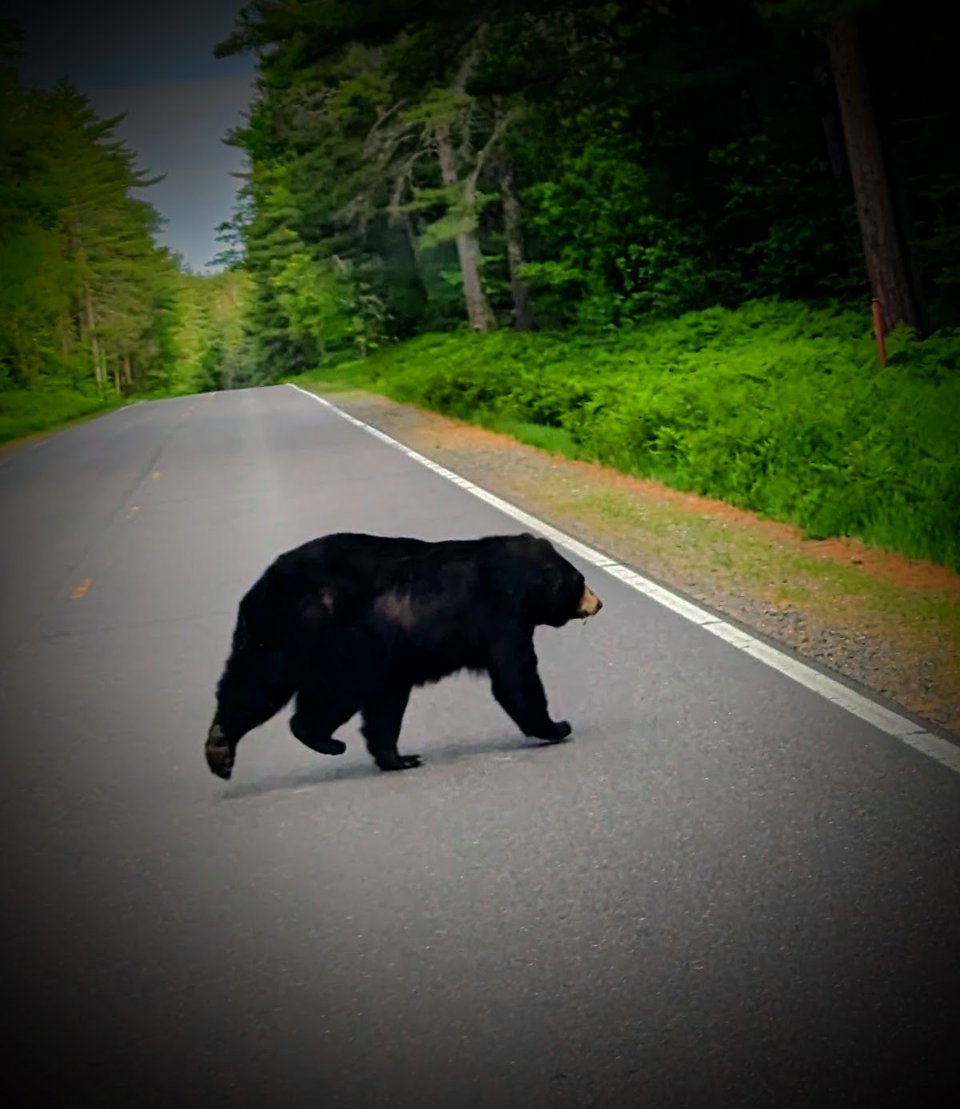
The Fawn Trap: A doe stressed by deep snow drops a smaller, weaker fawn in spring. Enter the Black Bear. Wisconsin's bear population is at record highs. While wolves get the headlines, bears are the primary predator of fawns in their first 4 weeks of life.
The Result: The bears cleaned up the weak fawn crop of '23. Those fawns never grew up to become the 1.5-year-old bucks of '25. We are hunting a herd with a missing age class.
The Solution: Patience. If the winter of 2025-26 remains mild, recruitment will stabilize. We expect the "Freshman Class" to return to normal levels by the 2027 season.
PART II: Impact of Logging and Forest Growth on Whitetails
We often blame wolves for low deer numbers, but the real limit on our herd is the forest itself.
Deer need calories to survive winter, and those calories come from sunlight hitting the ground. When a forest is young and open, the sun reaches the soil, exploding into briars, saplings, and browse.
But when a forest matures, the canopy closes. The sun hits the tops of the trees 60 feet up, leaving the forest floor dark and empty. To a hiker, these open hardwoods look beautiful. To a deer, they are a starvation zone.
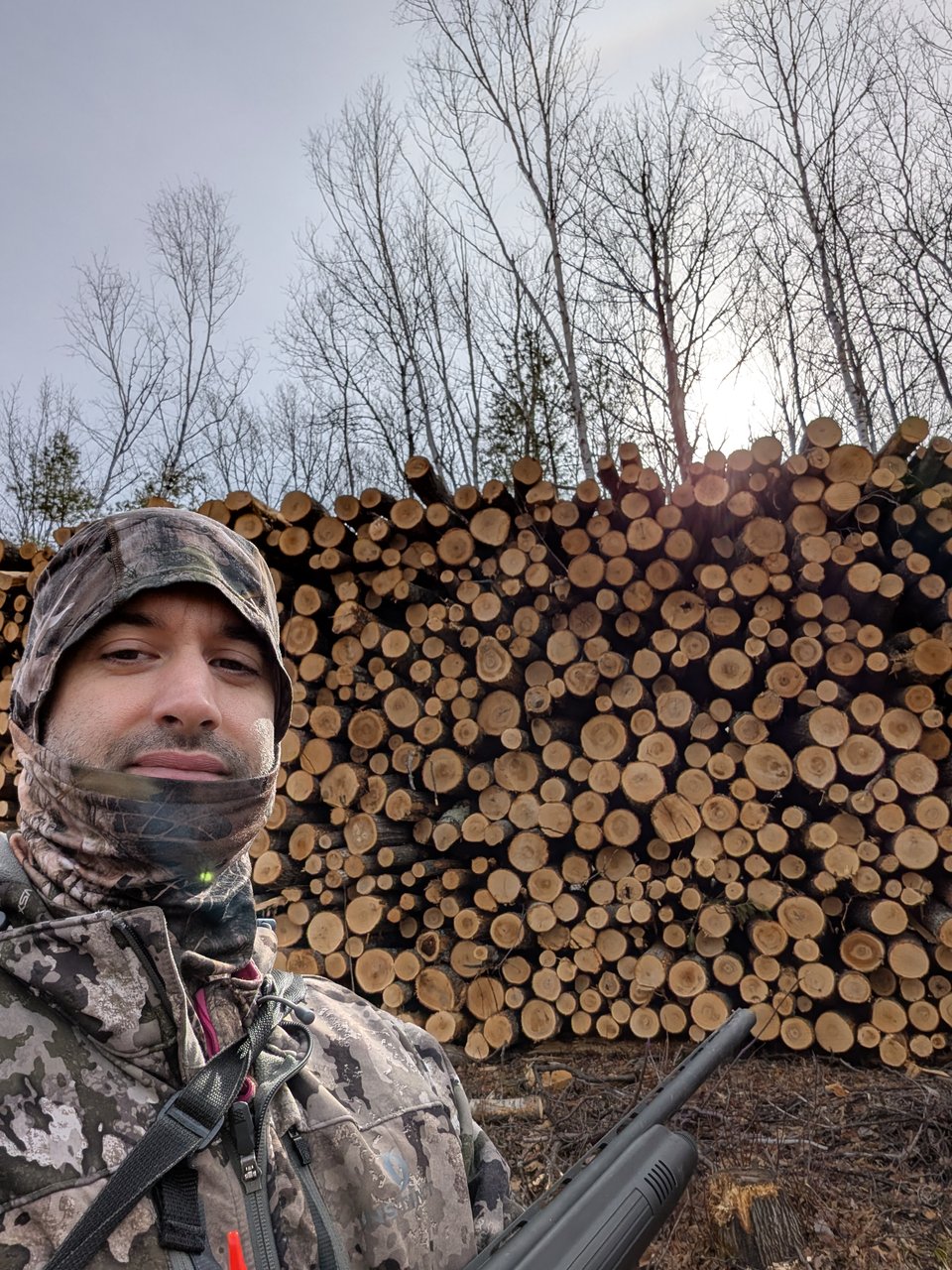
Right now, Oneida County is a "Green Desert." Our forests are mature, closed-canopy stands of maple and oak. To fix this, we need to cut trees. Specifically, we need to cut Aspen to trigger the explosive regrowth deer love.
The Economics of Habitat
Here is the trap: You can't just cut trees; someone has to buy them.
Old Aspen = Pulpwood: Mature aspen is low-grade wood used for paper.
The Market Crash: With the closure of paper mills in Wisconsin Rapids and Park Falls, the market for pulp collapsed.
The Standoff: Loggers cannot afford to cut habitat if they lose money on every load. So, the trees stay standing, the canopy stays closed, and the deer starve.
The Solution: The Bio-Economy We cannot feed our way out of this with corn piles. We must cut our way out.
Bio-Fuel: Projects like the Forestry Revitalization Act aimed at creating Sustainable Aviation Fuel (SAF) from timber biomass are critical. These plants become the new buyer for the "junk" wood that paper mills used to take.
Hunter Advocacy: If you want more deer, support timber sales. The sound of a harvester is the dinner bell for the next generation of whitetails.
PART III: The Predator Reality
It is impossible to discuss the Northwoods without addressing the wolf. However, the data suggests their impact is behavioral, not just numerical.
The Landscape of Fear
A wolf pack kills deer, yes. But their bigger impact is changing where deer live.
Pre-Wolf Era: Deer used open fields, food plots, and hardwood ridges freely.
Wolf Era: Deer have shifted to the thickest, nastiest cover available (swamps and slashings) to avoid detection.
The Hunt: The deer are still there, but they have become "Ghosts." They move less, travel in tighter cover, and are almost entirely nocturnal in pressured areas.
The Solution: Change Tactics Stop hunting the "pretty" woods. If you can see 100 yards, you are in the wrong spot. Northwoods success now requires hunting the "edges of the ugly", the transition zones between the deep swamps (safety) and the timber cuts (food).
PART IV: CWD Spread and Trophy Buck Management
This is the hardest pill to swallow. The biggest threat to your hunting future isn't a wolf or a winter; it is a prion.
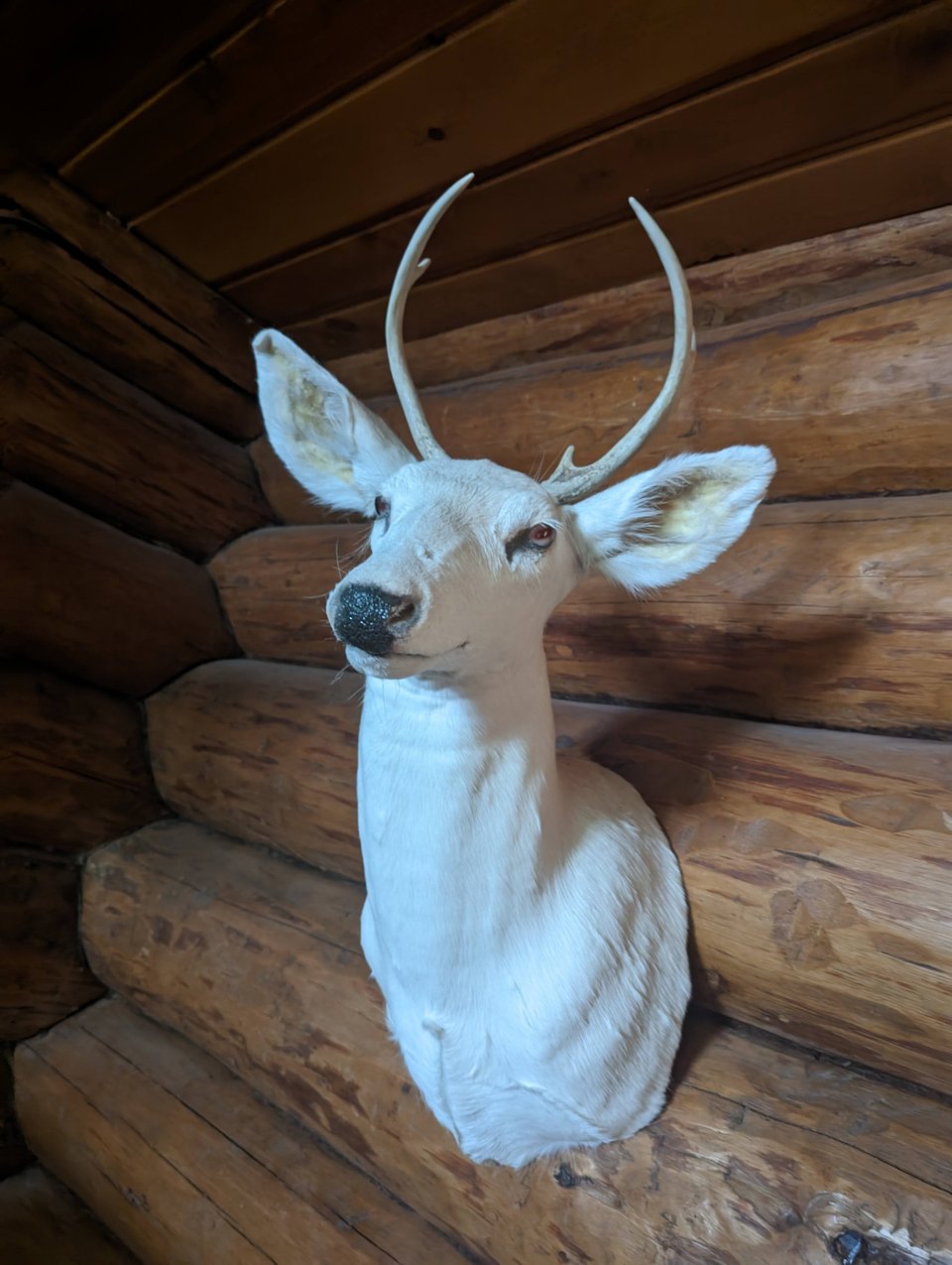
Many hunters dismiss CWD as "just another disease." They are wrong. CWD is an age cap.
The Iowa County Warning
Look south to Iowa County, WI. CWD has been there for 20 years. Today, nearly 50% of adult bucks in that zone are infected.
The Math of Death: Once infected, a deer dies in 18-24 months.
The Age Ceiling: If a buck catches CWD at age 2, he dies at age 4. He never becomes a 5.5-year-old "Swamp Monster."
The Future: If we let CWD saturate the Northwoods, trophy hunting ends. You will have plenty of 2-year-olds, but the giants will be statistically erased.
The Solution: Stop the Super-Spreaders
The Saliva Vector: Science confirms saliva carries the highest load of prions. Bait piles force unrelated deer to swap saliva on the same corn kernels. It is a biological super-spreader event. To save the big bucks, we have to stop baiting.
Dispose Responsibly: Never dump carcass waste in the woods. Prions bind to soil and remain infectious for years. Use the CWD dumpsters.
PART V: The Landowner's Toolkit
You can't control the paper mills or the winter, but you can control your 40 acres. Here is what you can do this weekend to help the herd.
1. The Chainsaw is King: Do not plant a food plot until you have managed your timber. Hinge-cut low-value maples to put cover and browse at nose-level.
2. Create Thermal Cover: Conifers (hemlock/cedar) are life-rafts in winter. Do not cut your thermal cover. If you lack it, plant spruce/balsam clusters now for the future.
3. Hunt the Doe: When quotas return, do not apologize for managing numbers. A lower density herd is a healthier herd entering winter.
4. Report the Data: Use the Deer Hunter Wildlife Survey app. The DNR relies on outdated metrics because hunters stopped talking to them. If we want better management, we have to provide better data.
Conclusion: The New Northwoods
The era of the "Meat Factory" Northwoods is over. That title belongs to the southern farmlands now.
We are transitioning to a Wilderness Destination. The value of a Northwoods buck is no longer that he is easy to get; it is that he is the hardest trophy in the Midwest to earn. He survives wolves, winters, and deep timber.
The herd is down, but it is not out. If we fix the habitat and protect the age structure from disease, the Northwoods will remain the premier challenge for the serious hunter.
The biology has changed. Our expectations and our tactics must change with it.
You just read issue #30 of Northwoods Ledger. You can also browse the full archives of this newsletter.