
Northwoods Wildlife: Why Great Horned Owls Nest in Sub-Zero February
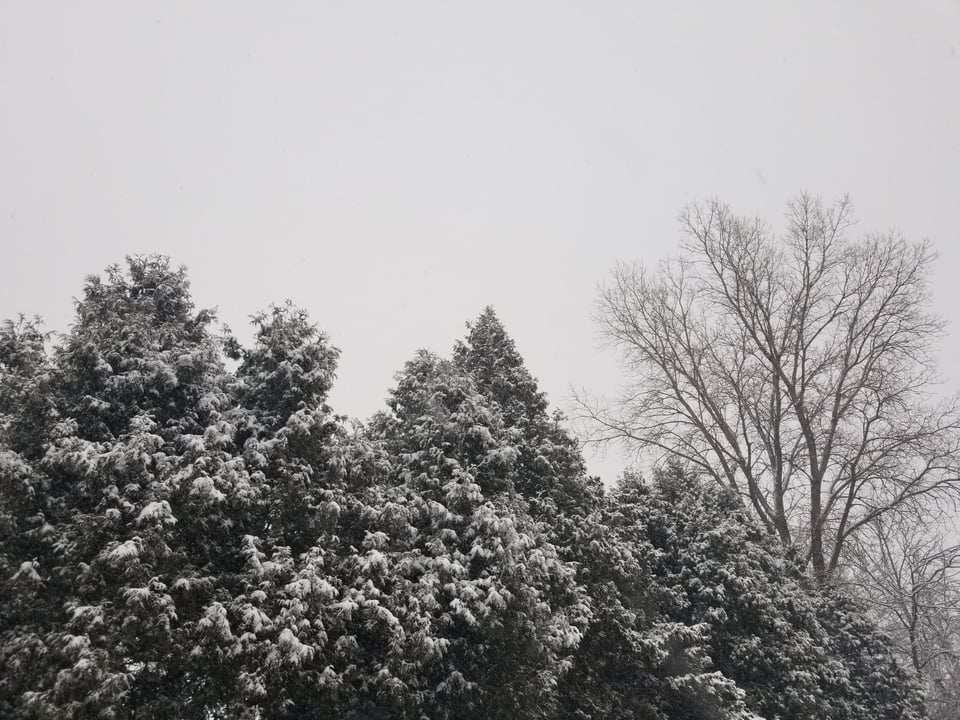
While many birds migrate or simply try to survive the freeze, the Great Horned Owl is already raising a family. These predators are the earliest nesters in the Northwoods. They often lay eggs in Northern Wisconsin and Upper Michigan when temperatures remain well below zero.
Repurposed Nesting Habits Great Horned Owls do not construct their own nests. Instead, they scout for existing structures built by other species. They typically select heavy stick platforms left behind by red-tailed hawks, crows, or squirrels. Sometimes they utilize the hollowed-out tops of dead trees.
Survival in the Brutal Cold The nesting process requires extreme endurance. The female incubates the eggs for more than a month. She remains on the nest through blizzards and sub-zero nights to prevent the eggs from freezing. The male provides all the food during this period. He hunts throughout the night to sustain the female while she protects the clutch.
Why Owls Nest in Winter This early start provides a specific biological advantage. By the time the spring rodent population surges, the owl chicks have already hatched. This timing allows the young birds to develop hunting skills when prey is most abundant. The strategy relies entirely on the owl’s ability to survive the harshest conditions of the winter season.
You just read issue #34 of Northwoods Ledger. You can also browse the full archives of this newsletter.