
As the nights grow longer and colder, the chances of seeing the aurora borealis improve. Solar activity, clear skies, and minimal
light pollution create perfect
conditions for catching the dancing
green and purple lights. Best viewing happens on crisp, cold nights when the sky is clear and free of moisture. The best locations are away
from town lights.
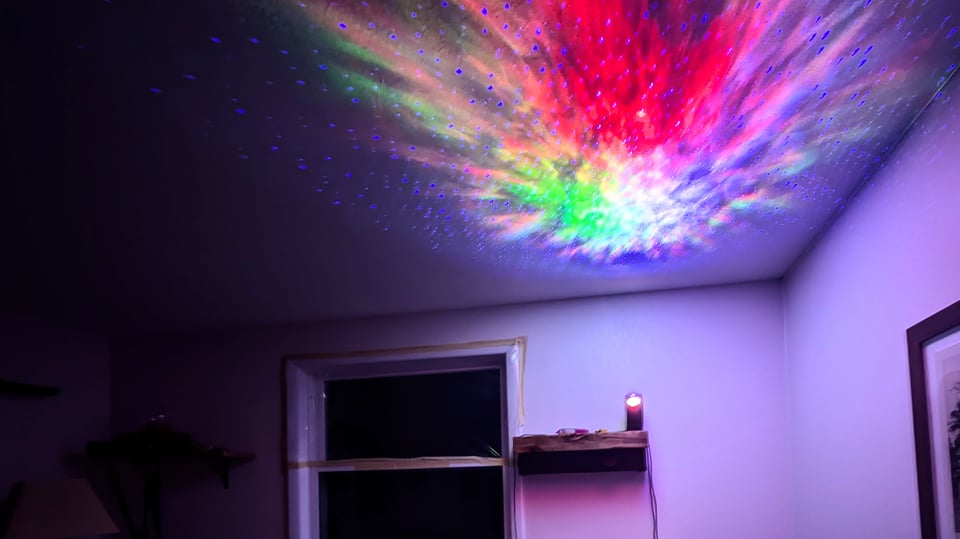
Open fields, frozen
lakes, and high ridges offer the best
chances. Watch the northern horizon, and be patient. The aurora doesn’t work on a schedule.
Peak season for northern lights runs from fall through early spring, making October the start
of a long, dark stretch when the sky itself puts on a show.
You just read issue #118 of Northwoods Ledger. You can also browse the full archives of this newsletter.