
The Stalemate at the Water’s Edge Before the ice fully melts and the docks go back in, the fight for the future of the Oneida County shoreline has hit a tactical stalemate. As of early March, proposed amendments to the Zoning and Shoreland Protection Ordinance are stalled in the boardroom. These are not minor updates. These changes will dictate exactly what you can do with your waterfront property and will permanently impact local water quality. Every riparian owner needs to understand why the county is holding its ground against conservation advocates before these rules are finalized.
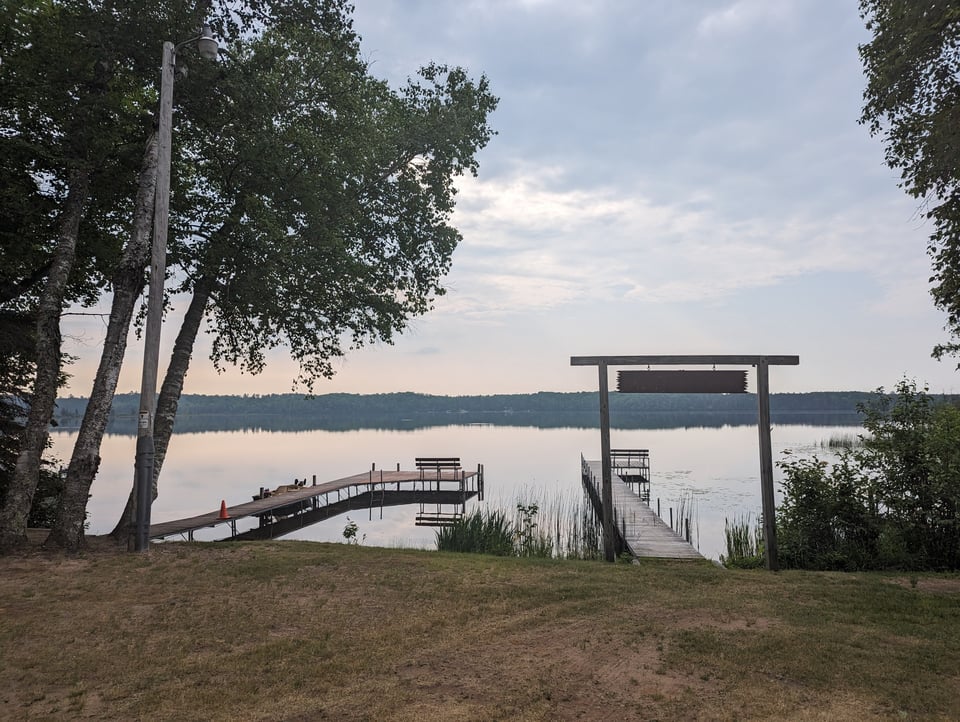
The "Landscaping" Loophole The debate centers on the 35-foot vegetative buffer zone directly adjacent to the water. Historically, this strip of land was strictly protected to prevent erosion and filter runoff.
Recent rulings have exposed a massive regulatory loophole. Outside legal counsel Larry Konopacki has informed the county that it cannot legally prohibit clearcutting in this 35-foot corridor under current state statutes. The law only requires the area to remain "vegetated." In practice, this allows owners to remove mature, deep-rooted ecosystems and replace them with a mowed lawn.
The threat worsens with a proposed change to how the county defines "landscaping." The new draft includes "altering ground contours." County Conservationist Michele Sadauskas has publicly warned that calling contour alteration "landscaping" could effectively legalize grading, filling, and stump removal right at the water's edge. This would destroy the root systems that hold the shoreline together, turning the topography into what she described as "fair game to bulldoze and level."
( The Northwoods Ledger has filed a formal Open Records Request with the Oneida County Clerk to obtain the engagement letter, billing invoices, and scope of work provided to outside counsel Larry Konopacki. The county is currently processing this request. The Ledger will publish a full update detailing the exact strategic directives the county board provided to the attorney once the municipal records are released.)
The Pressure of Assembly Bill 449 This county-level shift is colliding with pressure from Madison. Lawmakers are pushing Assembly Bill 449 to permit secondary dwellings on single-family residential waterfront parcels.
Local land and water committees view this density increase as a direct threat to the watershed. The primary issue is subsurface infrastructure. Doubling the housing capacity on a single lot places a massive strain on aging private septic systems. Adding a second house and driveway also increases the amount of impervious surface. The math is simple: less permeable ground means more untreated runoff, carrying phosphorus and sediment directly into the lake.
The Organized Pushback These dual threats have triggered a heavy local response. The Oneida County Lakes and Rivers Association recently submitted over 100 ballots formally opposing the Chapter 9 amendments, arguing the county is prioritizing development over conservation.
However, following the March 4 committee meeting, representatives from Clean Waters Action report "very little budge" from the Planning and Development Committee. While the public hearing window is technically closed, the ordinance is not yet law. The committee will continue its review on April 1 and April 15.
Because the committee is currently unresponsive to group feedback, property owners must shift to direct lobbying. Contact your individual County Board Supervisor before the April sessions. This is the final window to weigh in on shoreline density and landscaping loopholes before these regulations are locked in.
You just read issue #65 of Northwoods Ledger. You can also browse the full archives of this newsletter.