The Northwoods Spring Planting Guide: Timing the Transition and Managing Deer
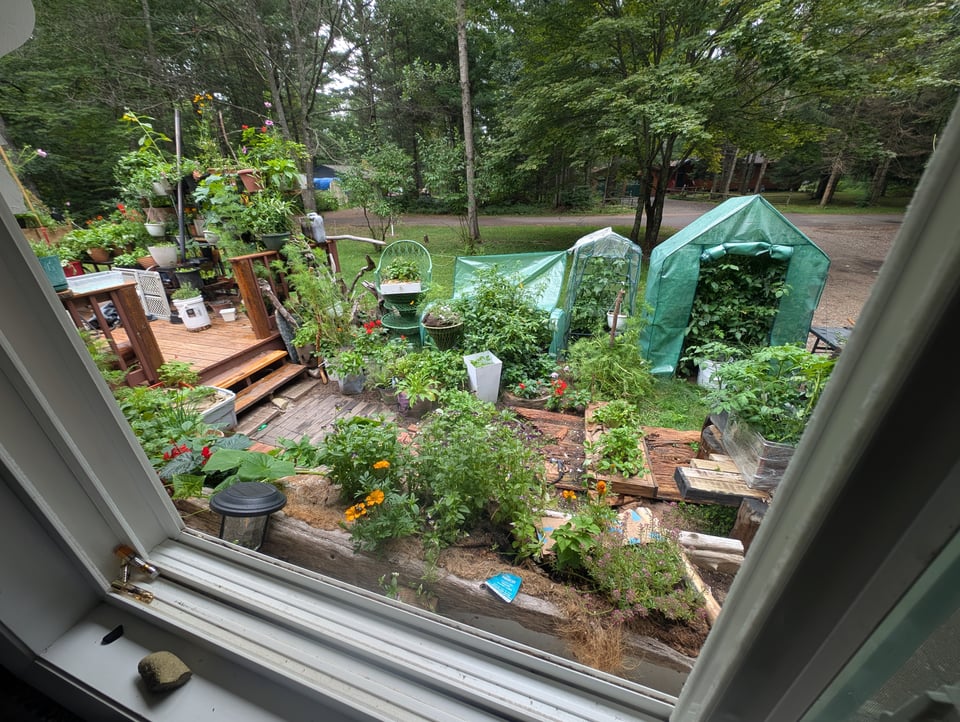
Successful Northwoods gardening requires seasonal timing and defensive plant selection.
The Planting Timeline
Air temperature fluctuates wildly in May, making it an unreliable metric for planting. Focus your schedule around these environmental benchmarks instead.
Checking the Soil Wait to plant warm season crops until your soil consistently registers 60 degrees Fahrenheit at a depth of four inches. Cold soil locks out nutrients and invites root rot. Note: Cool season crops like peas, spinach, and broccoli thrive in the chill and can be directly sown weeks earlier.
The Frost Benchmark In the Northwoods and similar Zone 4 microclimates, the final spring frost typically occurs between late May and early June. Treat Memorial Day weekend as your reliable target date for moving tender crops outdoors permanently.
Defending Against the Spring Herd
After a long winter, local deer are starved for moisture and nutrients. They are actively hunting for the tender, sweet new growth that comes with spring.
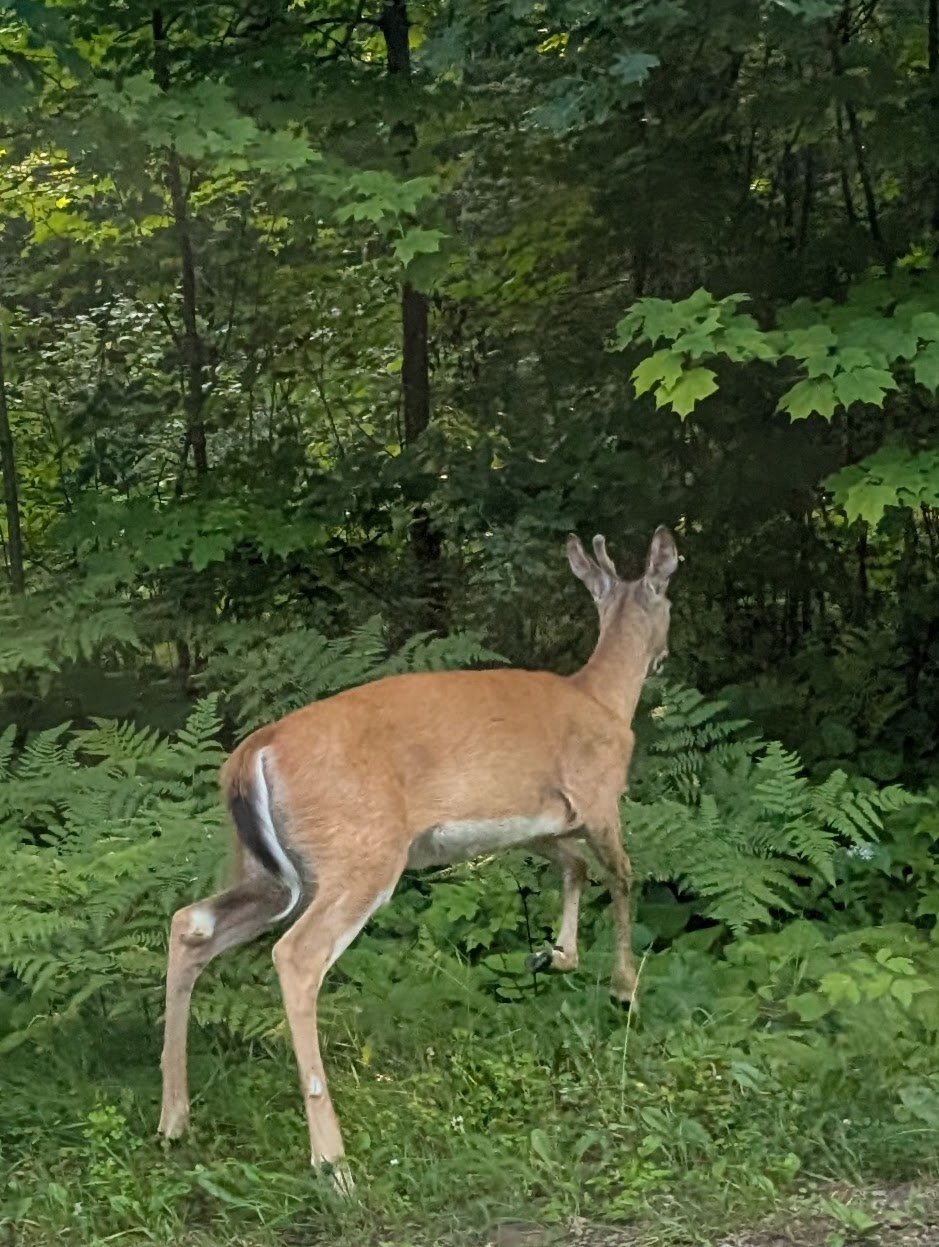
You cannot reason with a hungry herd, but you can plan around their feeding habits. Deer rely heavily on their sense of smell to find food, and their mouths are highly sensitive. The most efficient management strategy is building a layout with plants that possess specific defensive traits.
When mapping out your garden center purchases, look for these specific, reliable options.
The Scent Barrier (Strong smells that mask your garden)
Ornamental Onion ('Millenium' or 'Globemaster'): These produce bright purple spherical flowers. Their faint onion scent keeps deer far away.
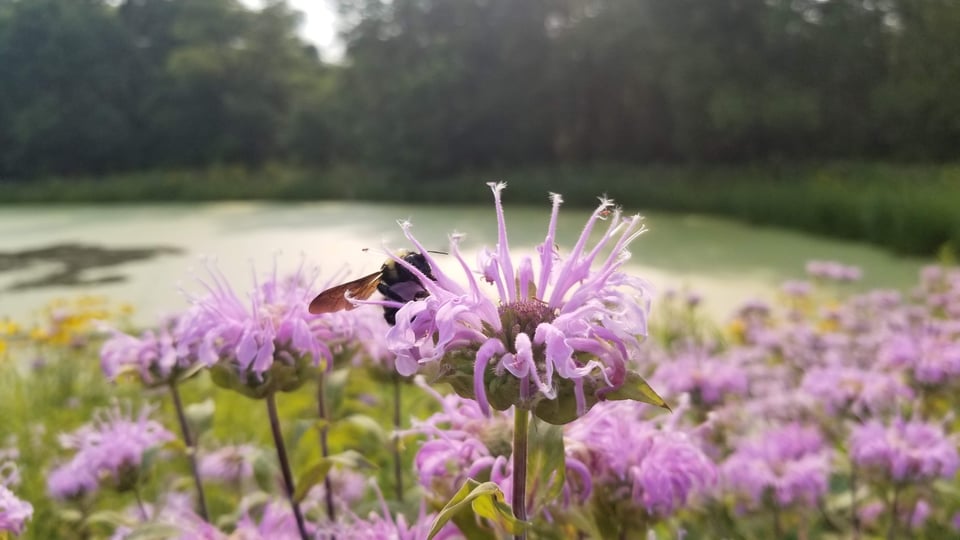
Bee Balm ('Jacob Cline'): A magnet for hummingbirds. The heavy mint scent in the foliage deters browsing.
Russian Sage ('Little Spire') & Catmint: Both rely on highly pungent, herbal oils to confuse the herd.
Heliotrope ('Marine'): Often called the "cherry pie plant" because of its sweet vanilla scent. That heavy fragrance is exactly what keeps deer away from these deep purple flower clusters.
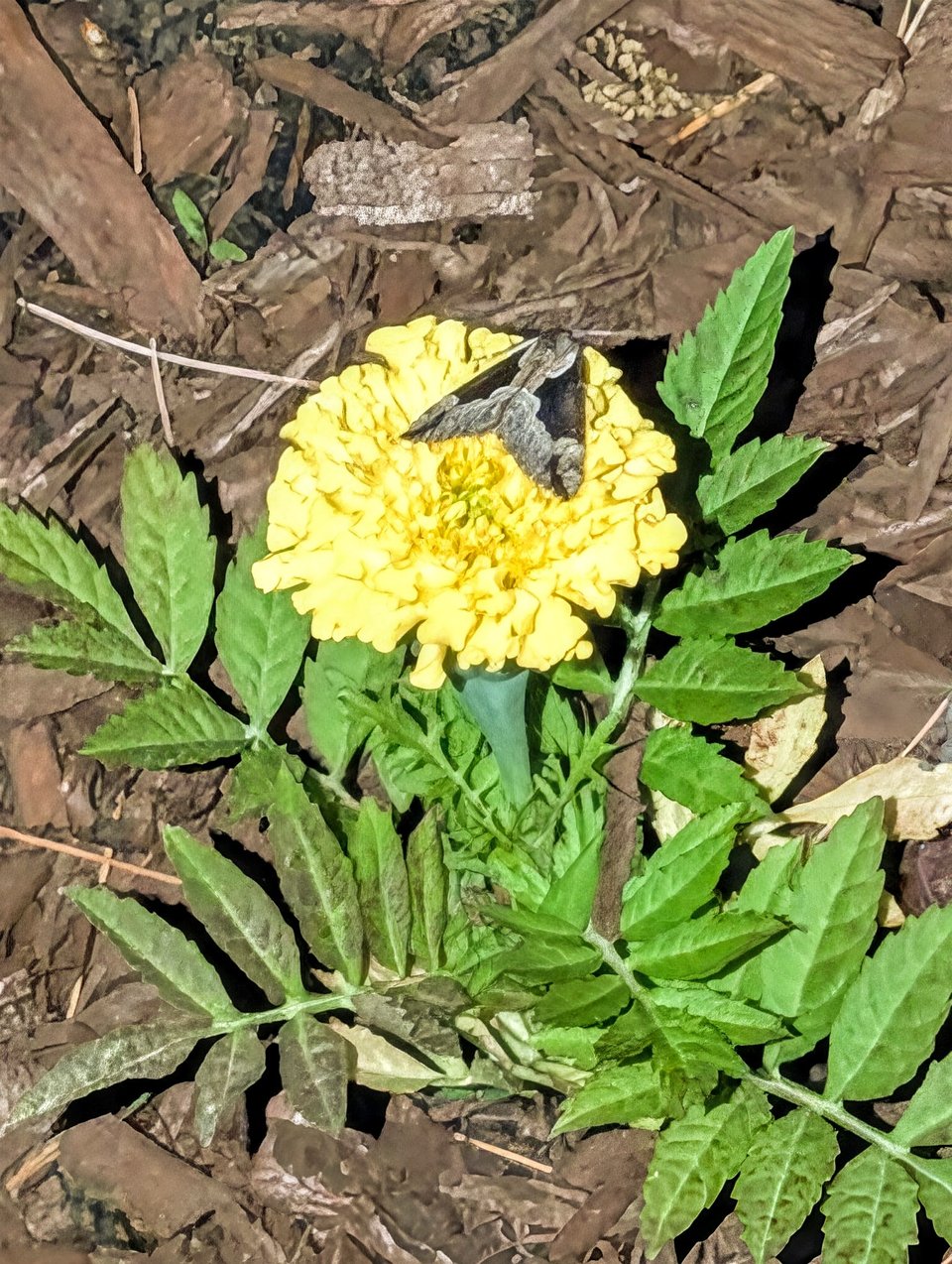
French Marigolds: Their incredibly pungent scent makes them the ultimate perimeter plant to protect your annual beds.
The Texture Defense (Leaves they refuse to chew)
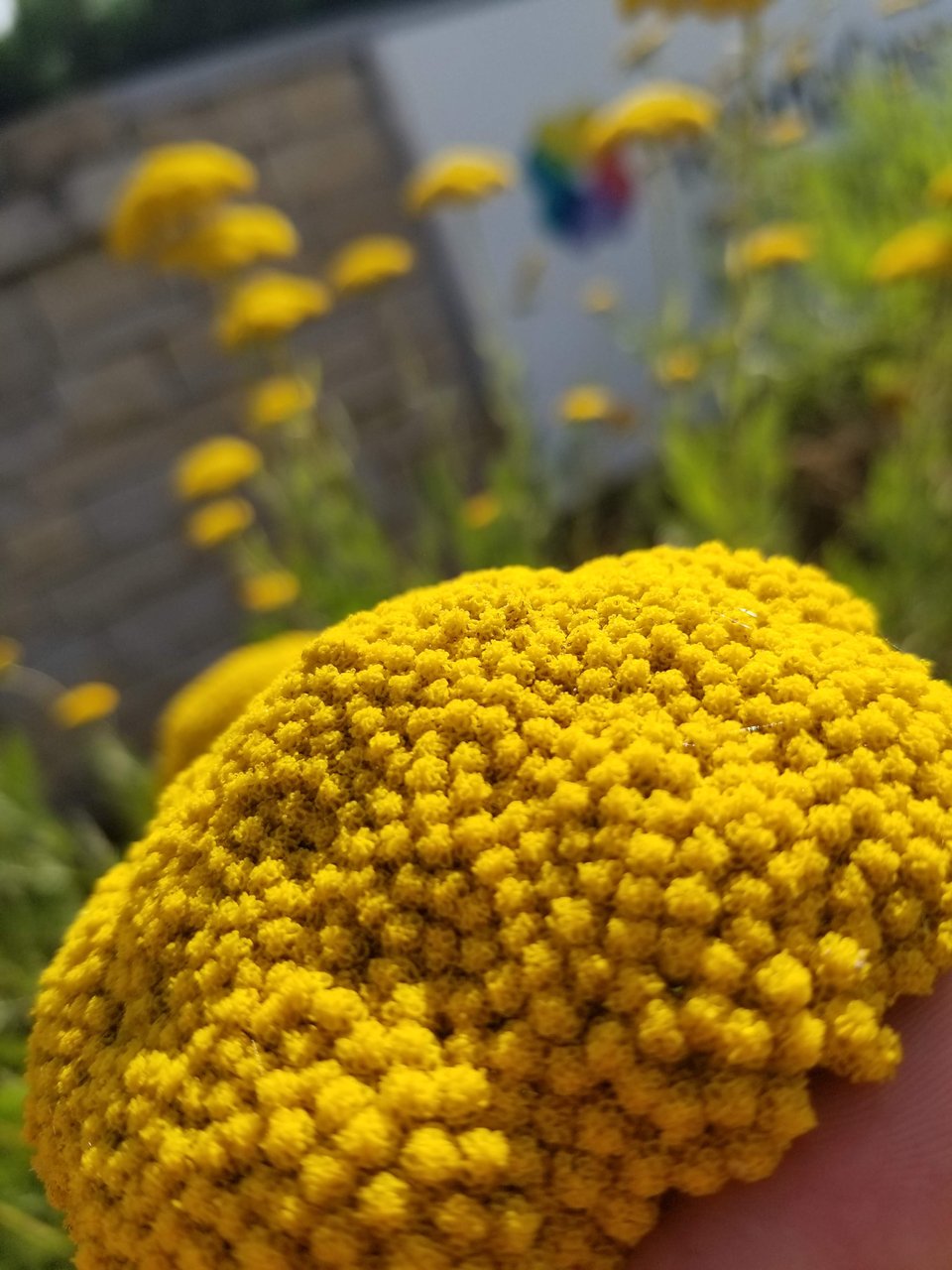
Yarrow ('Moonshine'): Highly drought resistant with fern like, fuzzy leaves that are texturally unappealing.
Purple Coneflower: A rugged native plant that establishes deep roots and features rough, bristly centers.
Floss Flower (Ageratum 'Blue Mink'): Produces fuzzy, texturally rough blue blooms.
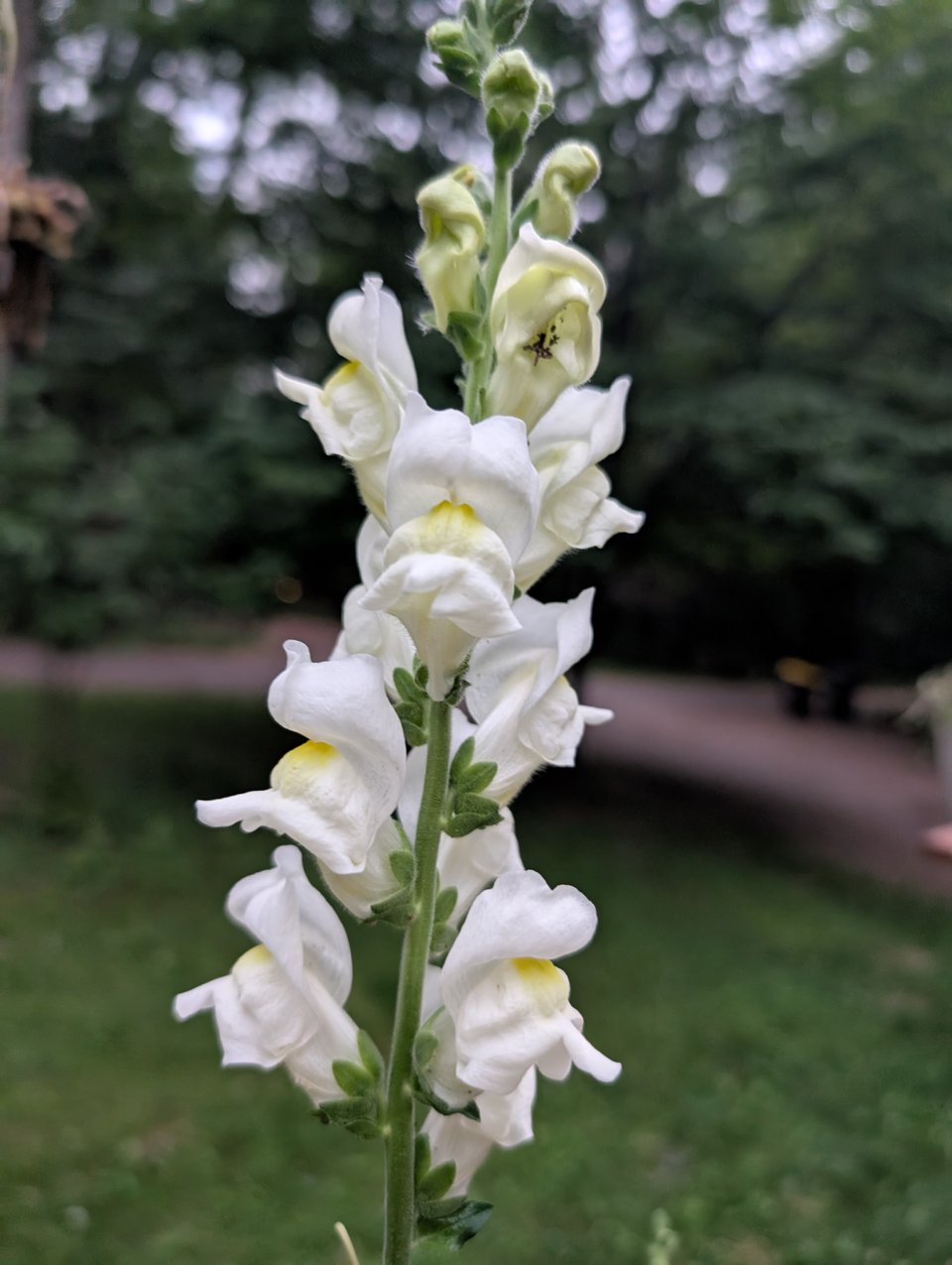
Snapdragons ('Rocket' Series): These grow on thick, sturdy stalks that deer find too tough to eat.
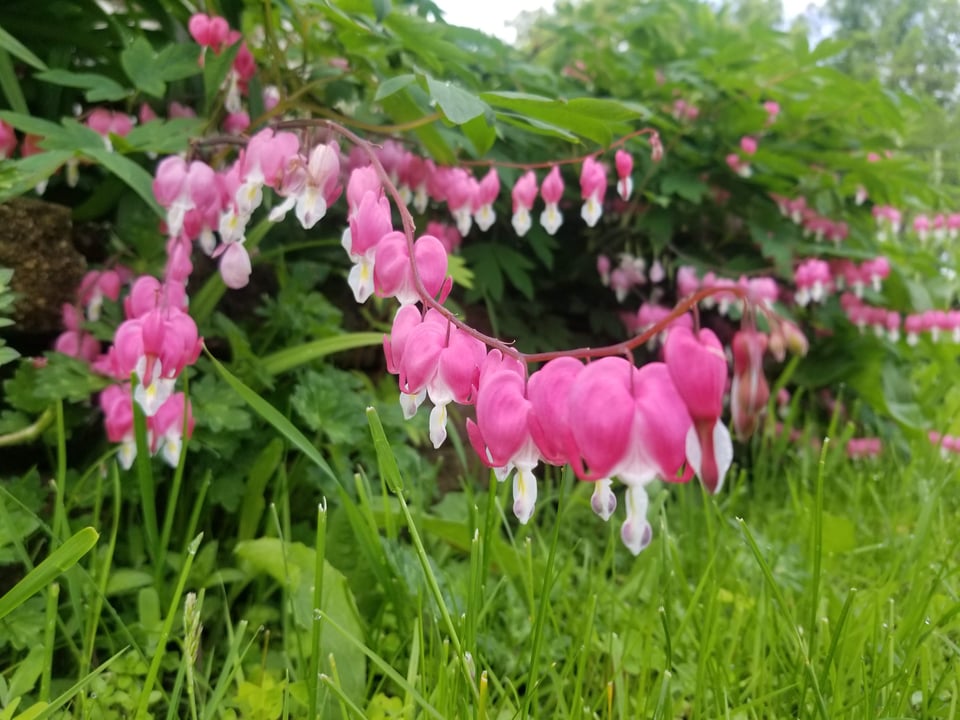
Bleeding Heart ('Spectabilis') & Ostrich Fern: Highly reliable, tough textured choices for the heavily shaded areas of your parcel.
The "Hard Pass" (Naturally toxic or sticky)
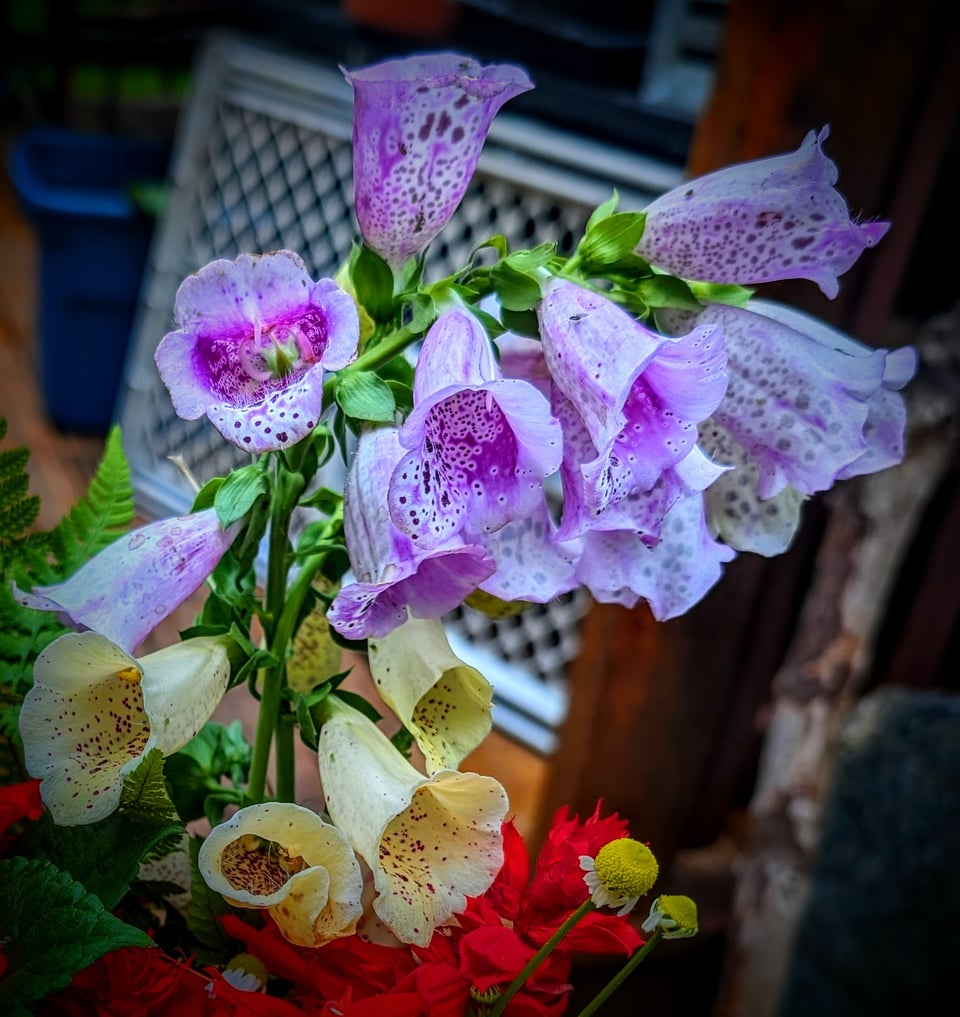
Foxglove ('Dalmatian' Series): This is a truly deer-proof powerhouse. The plant contains naturally occurring compounds that are highly toxic to foragers. It produces tall, striking spires of bell shaped flowers that thrive in the dappled shade. Safety Note: Because Foxglove is toxic, never plant it in areas where children play or where pets might chew on the foliage.
Peonies ('Sarah Bernhardt'): These are the tanks of the Zone 4 garden. Deer find the flower buds too sticky and the foliage too tough to bother with.
You just read issue #57 of Northwoods Ledger. You can also browse the full archives of this newsletter.