
The middle of February in the Northwoods is often defined by what is missing: the green of the trees, the open water, and the warmth of the sun. However, starting today, a massive wave of activity is taking place right outside your window. The Great Backyard Bird Count begins this morning and runs through Monday.
For subscribers of the Ledger, this is more than just a hobby. It is an essential exercise in citizen science that helps researchers track how our winter bird populations are shifting in real time.
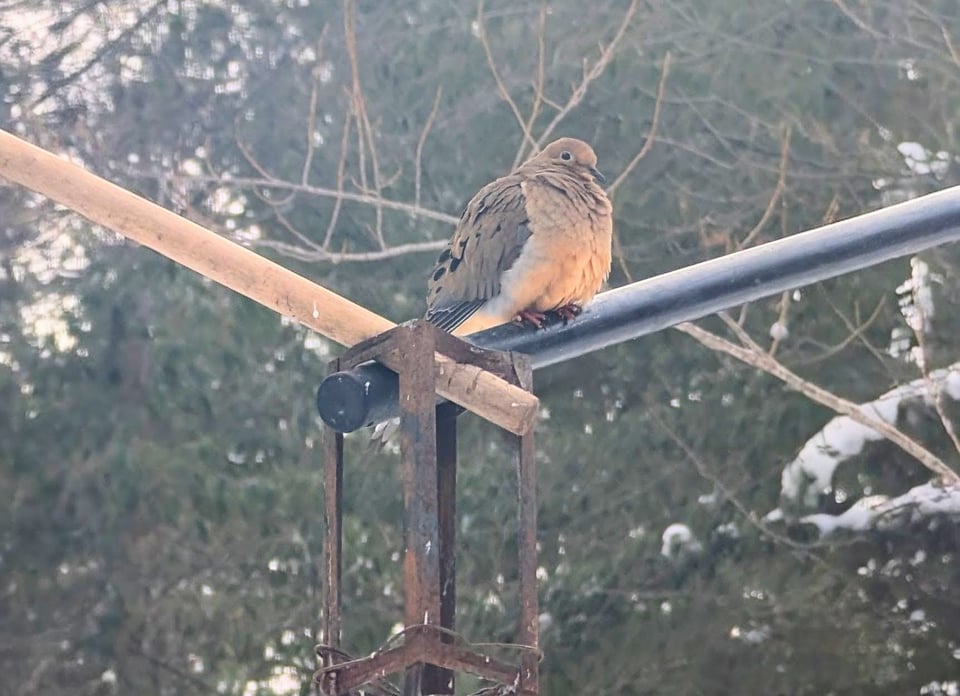
The February Snapshot: Why Your Bird Feeder Matters
Scientific research often feels like something that happens in a distant lab. But for four days every February, the most important data in the world comes from ordinary backyards in places like Lake Tomahawk, Minocqua, and Rhinelander.
When you spend fifteen minutes counting the birds at your feeder, you are providing a data point that professional ornithologists cannot get on their own. This information helps track bird migrations, the health of local ecosystems, and the impact of our increasingly erratic winter weather.
What to Look For: The Northwoods Regulars
While the loons are still on the coast, our winter residents are working overtime. This year, we are seeing strong numbers of several key species.
Black-capped Chickadees: These are the reliable anchors of the Northwoods winter. They are often the first birds to visit a new feeder and the easiest to count.
Red-breasted and White-breasted Nuthatches: Watch for these birds moving head-first down the trunks of your pines. They are a sign of a healthy forest canopy.
The Irruption Species: Keep an eye out for Evening Grosbeaks or Common Redpolls. These birds move south from the deep boreal forests when food supplies run low. Their presence in your backyard tells a story about the health of the entire North American forest system.
The Predators: A sudden silence at your feeder often means a Cooper’s Hawk or a Northern Shrike is nearby. These sightings are just as valuable to the count as the songbirds.
How to Participate
Participation is free and requires very little of your time. You do not need to be an expert to contribute.
Watch for 15 Minutes: Pick a spot in your yard or look out your window for at least fifteen minutes at any point between February 13 and February 16.
Count Every Bird: Identify the species and count the highest number of each species you see at one time. This prevents you from counting the same chickadee twice as it flies back and forth to your feeder.
Report the Data: Use the eBird Mobile app or the Merlin Bird ID app. These tools are the gold standard for bird tracking. If you are a beginner, the Merlin app will guide you through the identification process based on the bird's size, color, and behavior.
Beyond the Count: Resilience in the Cold
There is a quiet dignity in the way these birds survive a Wisconsin winter. A chickadee weighs less than half an ounce, yet it maintains a body temperature of 104 degrees when the air is twenty below. By participating in the count, you are acknowledging that resilience. You are also ensuring that we have the data needed to protect their habitat for years to come.
The results from our region will be compiled into a global map that shows the movement of millions of birds. It is a rare chance to see how our small corner of the woods connects to the rest of the planet.
You just read issue #50 of Northwoods Ledger. You can also browse the full archives of this newsletter.