
We believe that informed voters are the only defense against fiscal mismanagement and the erosion of local resources. If you are a paid subscriber, thank you for making this work possible.
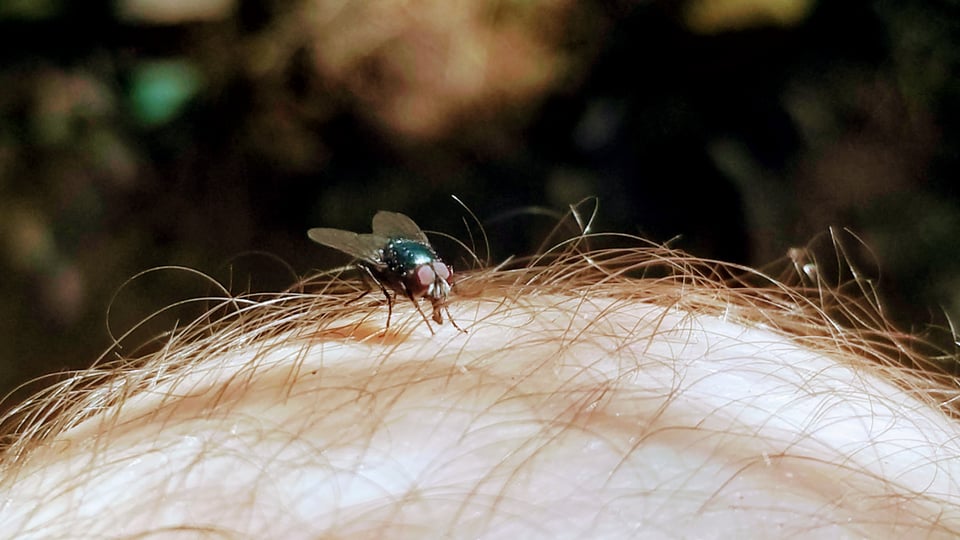
The transition from April to May in the Northwoods carries a distinct sound. The quiet woods suddenly hum with a high-pitched drone. This noise marks the arrival of the black fly. Residents often view these insects as a seasonal plague. However, their presence provides undeniable proof of a healthy watershed. Mosquitoes thrive in stagnant puddles and warm ditches. Black flies demand the exact opposite. They require cold, fast-moving, and highly oxygenated water to survive. If a swarm surrounds you, the nearby creek is thriving.
The Underwater Factory
The black fly begins its life underwater. Female flies lay eggs on vegetation trailing into swift currents. When the larvae hatch, they face a mechanical problem. They must avoid washing downstream. The larvae solve this by spinning small silk pads on submerged rocks. They use microscopic hooks to anchor themselves to these pads. Once secured, they deploy fan-like appendages around their mouths. These fans strain microscopic organic matter from the rushing water.
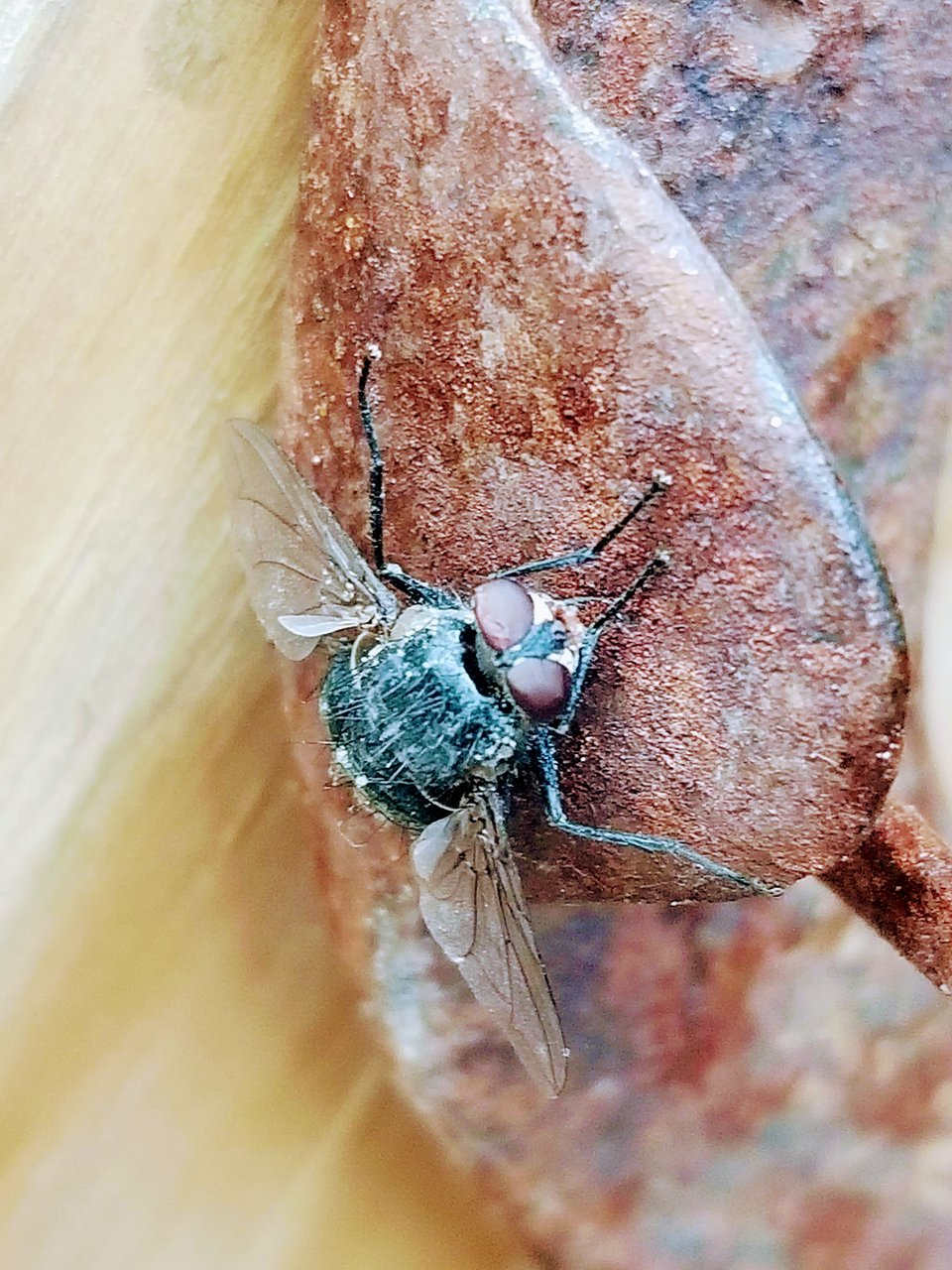
This filter-feeding system relies entirely on specific physical conditions. While high oxygen levels are the primary requirement, black fly larvae are extremely sensitive to chemical and sediment pollution. Heavy silt from construction or agricultural runoff clogs their feeding fans. Chemical toxins or significant nutrient loading can deplete the dissolved oxygen they need. A productive hatch indicates that the water is not only moving fast but is also free of the contaminants that typically degrade Northwoods trout streams.
The Engineering of the Bite
A mosquito uses a needle-like proboscis to gently tap a vein. A black fly operates like a saw. It uses jagged mandibles to cut the skin and then laps up the pooling blood. During this process, the fly injects a chemical anticoagulant to keep the blood flowing. This specific protein causes the long-lasting, itchy welt known as a "black fly bump."
Unlike mosquitoes, black flies do not hunt at night. They are daytime predators. They rely heavily on visual cues and carbon dioxide exhalations to track moving targets.
Mechanical Defense
Chemical repellents like DEET often fail against black flies. These insects use a "swarm and crawl" tactic. They bypass treated skin and aggressively search for untreated gaps at necklines, waistbands, and sleeve cuffs.
Defeating the black fly requires a mechanical defense. The primary shield is color. Black flies lock onto dark, high-contrast shapes. They are highly attracted to dark blues, blacks, and reds. These lighter shades, like white, tan, or sage, disrupt the insect's visual targeting system. Furthermore, tight-weave fabrics like ripstop nylon create an impenetrable physical barrier that stops the flies from reaching the skin.
The Seasonal Deadline
The Northwoods black fly hatch is intense but brief. Most local species produce only one generation per year. The duration of the season depends entirely on water temperature. As the sun climbs higher in June, the creeks and rivers warm. Once the water crosses a specific thermal threshold, the larval factory shuts down. The adult flies die off. The woods quiet down, and the biological clock resets for next May.
You just read issue #89 of Northwoods Ledger. You can also browse the full archives of this newsletter.