
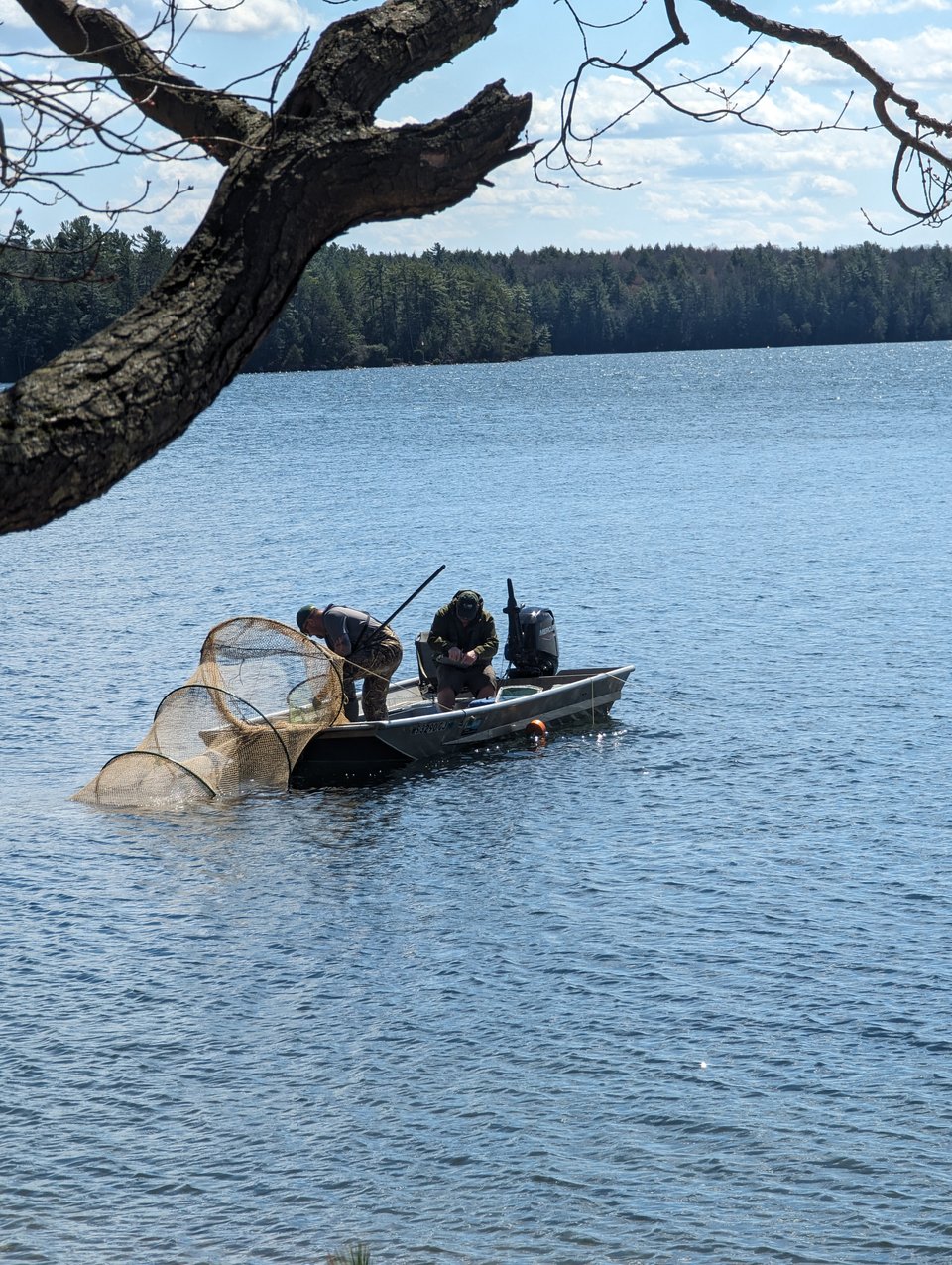
By scrapping regional zones and moving the Northern Zone opener to May 2, the state has prioritized a simpler rulebook over a decades-old biological buffer. This change forces a new question for Northwoods anglers: is the fishery stable enough to survive the new rules?
The Math Behind the Opener
Historically, northern Wisconsin stayed closed to musky fishing until Memorial Day weekend. This gave the fish a head start to finish spawning. The 2026 rules replace this delay with a single statewide opener on the first Saturday in May.
The DNR justified this shift by looking at the "harvest ledger." In the early 1980s, Wisconsin anglers kept over 66,000 muskies a year. Today, that number is near zero. Because almost 100% of musky anglers now release their fish voluntarily, the DNR believes the population can handle an earlier season. They are betting that the modern catch-and-release ethic makes the old Memorial Day protection unnecessary.
The 5% Biological Cost
While the DNR is banking on behavior, the biology remains fragile. Catching a fish is not a neutral act. State data shows that even with perfect handling, about 5% of released muskies die from stress.
In a late spring, the May 2 opener lands right in the middle of the spawn. A spawning musky is physically exhausted. Catching and fighting a fish during this window causes severe trauma. While muskies do not guard nests, the stress of a catch can cause a female to reabsorb her eggs or abandon the spawning area. This prevents a successful hatch before it even starts. By moving the date up, the DNR has accepted that a 5% loss of spawning age fish is a sustainable cost for more fishing days.
The Guide Boycott
This sustainable cost is not sitting well with the people who make a living on the water. Local legends like Pete Maina and Rob Manthei are publicly refusing to target muskies during the new early window. They are urging their clients and followers to wait until June, arguing that the DNR is trading the health of the spawning beds for a few weeks of license sales.
The "ethics over legality movement is more than just talk. Local clubs are already pushing a resolution through the Wisconsin Conservation Congress to bring back the split-zone seasons. They believe that even if the population is stable today, the physical act of fishing during the spawn is a step backward for the Northwoods.
The 50-Inch Offset
To balance the books, the DNR is relying on the 50-inch minimum length limit to act as a new stabilizer. This limit now applies to several premier waters, including the Wisconsin River, Plum Lake, the Presque Isle Chain, and the Chippewa Flowage.
The state is using this size limit to protect "spawning capital." By making it illegal to keep anything under 50 inches, they are ensuring that females stay in the lake to spawn for an extra five to seven years. The DNR hopes the millions of extra eggs produced by these older fish will offset the 5% mortality caused by the earlier opener.
The Pike Cull
The state is also encouraging a cull of the competition. In chains like Tiger Cat and Lac Courte Oreilles, anglers can now keep 10 northern pike a day with no size limit. This is a deliberate attempt to thin the pike population. Fewer pike mean more food and less competition for young muskies. It is a clear sign that the DNR is prioritizing musky genetics over maintaining high numbers of smaller pike.
Conclusion
The 2026 rules represent a shift from "precautionary biology" to "behavioral management." The DNR has simplified the map, but they have also shifted the responsibility for the fishery from the state rulebook to the individual angler. The population of the Northwoods musky now depends on whether the 50-inch rule and the pike cull can replace the protection of a closed spawning season.
You just read issue #83 of Northwoods Ledger. You can also browse the full archives of this newsletter.