
Spring Migration of Birds in the Northwoods
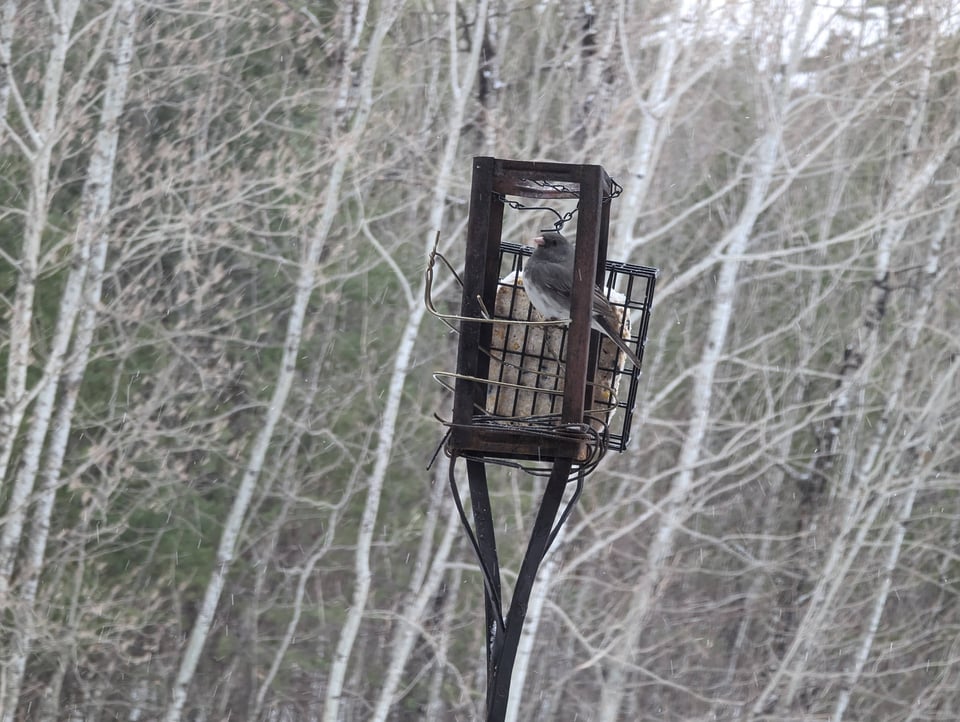
Spring migration brings millions of birds through Oneida and Vilas counties. These movements along the Mississippi Flyway signal that winter is over. While the calendar or the thermometer may suggest otherwise, these arrivals serve as a biological confirmation that the season has changed.
This cycle relies on a healthy environment. The 1,500 lakes and vast forests of the Northwoods provide the essential fuel for the journey.
Tracking the Arrival
Observers can track the progress of the season through three specific waves of activity:
The Ice Breakers (Late February to March): Common Mergansers appear first. They follow open water leads on the Wisconsin River or local creeks while the lakes remain frozen. By mid-March, the rattling calls of Sandhill Cranes return to thawing marshes.
The Waterfowl Push (Mid-April): This stage depends on ice-out. Large groups of ducks and geese rest on lakes like Minocqua and Tomahawk as soon as the ice retreats.
The Warbler Wave (May): This is the peak of the season. Colorful neotropical migrants like Baltimore Orioles and Rose-breasted Grosbeaks arrive from Central and South America. Ruby-throated Hummingbirds typically return by Mother’s Day.
Where to Find the Migration
Specific habitats act as stopover points where birds congregate to rest and feed:
American Legion State Forest: The dense conifer stands provide a thermal shield. This protection helps birds survive sudden spring snowstorms or temperature drops.
Holmboe Conifer Forest: This area offers a stable environment that attracts songbirds looking for early-season insects.
Local Shorelines: Warming water triggers hatches of midges and mayflies. These insects contain the healthy fats birds need to survive long flights and begin nesting.
Supporting the Flyway
The Northwoods remains a premier sanctuary because the natural landscape remains productive. This cycle supports regional stability and the local economy. In 2024, outdoor recreation and visitor spending in Oneida County reached $302.8 million. This activity supports over 2,200 local jobs.
Anyone can support this system with a few targeted steps:
Plant Native: Serviceberry bushes provide fruit in early summer. White Spruce offers essential winter shelter and seeds.
Provide Water: A birdbath with a dripper attracts species like the Scarlet Tanager that rarely visit seed feeders.
Protect Windows: Spring is a high-traffic time for window strikes. Using UV-reflective decals is a simple way to prevent bird deaths during peak migration weeks.
Citizen science participation is also rising. Reports to the eBird website for this region increased by 72 percent recently. This data helps researchers monitor the health of the Northwoods for future seasons.