
We believe that informed voters are the only defense against fiscal mismanagement and the erosion of local resources. If you are a paid subscriber, thank you for making this work possible.
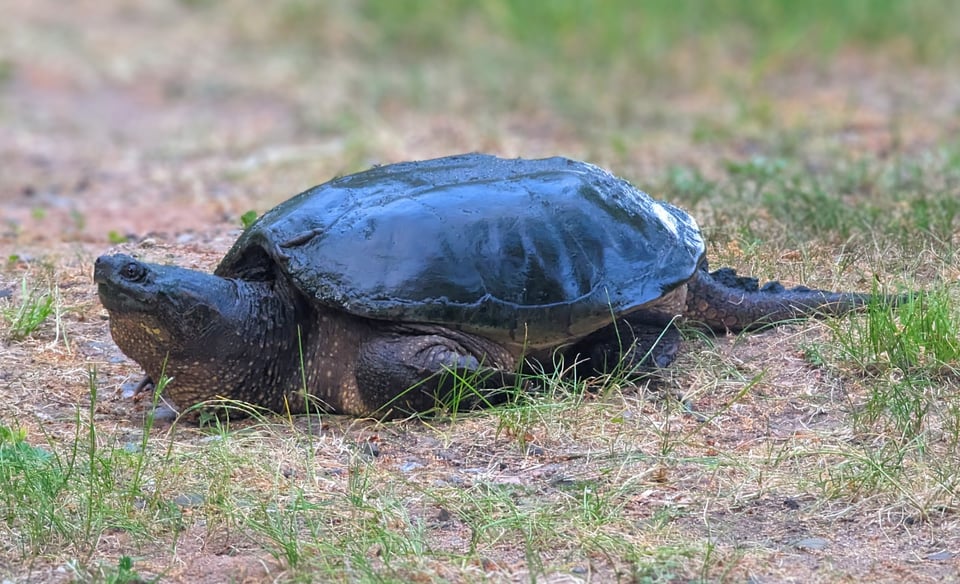
Along the gravel shoulders of our county highways and the sandy edges of properties across Oneida, Vilas, and Lincoln Counties, a perilous annual movement begins. The Northwoods turtles are marching inland.
Drivers navigating the back routes near regional wetlands this week will encounter them. Female Painted, Snapping, and Blanding's turtles leave the safety of the water. Their biological imperative demands they find the perfect upland soil to bury the next generation.
The Search for the Soil
Birds incubate their eggs with body heat. Turtles rely on the sun. This requirement forces female turtles to seek out loose, sandy, or gravelly soil exposed to direct sunlight. This instinct drives them uphill and away from the shoreline. It brings them into direct conflict with human infrastructure.
A female turtle is stubbornly loyal to her birthplace. She will travel over a mile, a massive distance for her size, to return to the exact gravel bank or sandy driveway where she hatched decades ago.
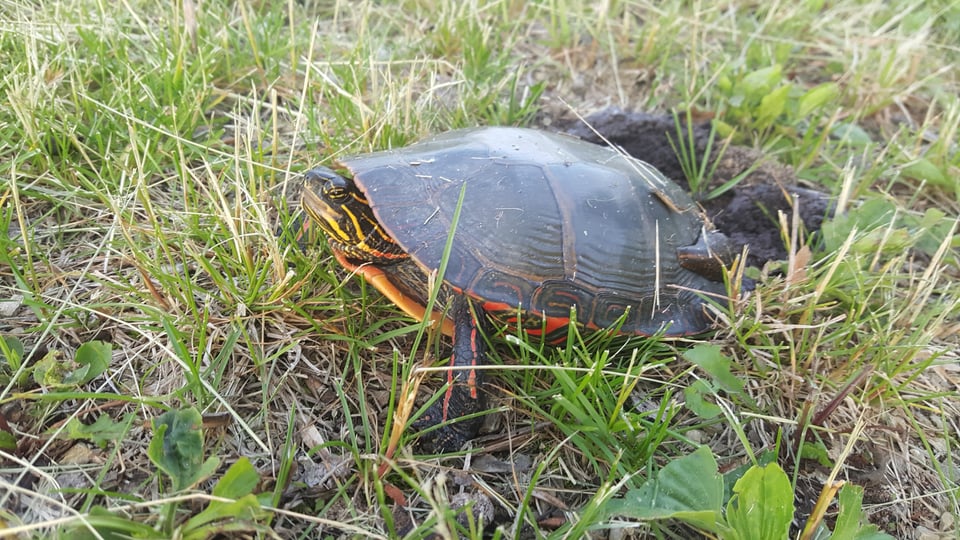
Upon locating the right soil, the physical work begins. Using only her hind legs, the mother excavates a flask shaped hole. Depending on her species, she deposits anywhere from six to over fifty leathery eggs into the earth. She buries them carefully. She tamps down the soil to camouflage the nest. Then, she turns around and walks back to the water.
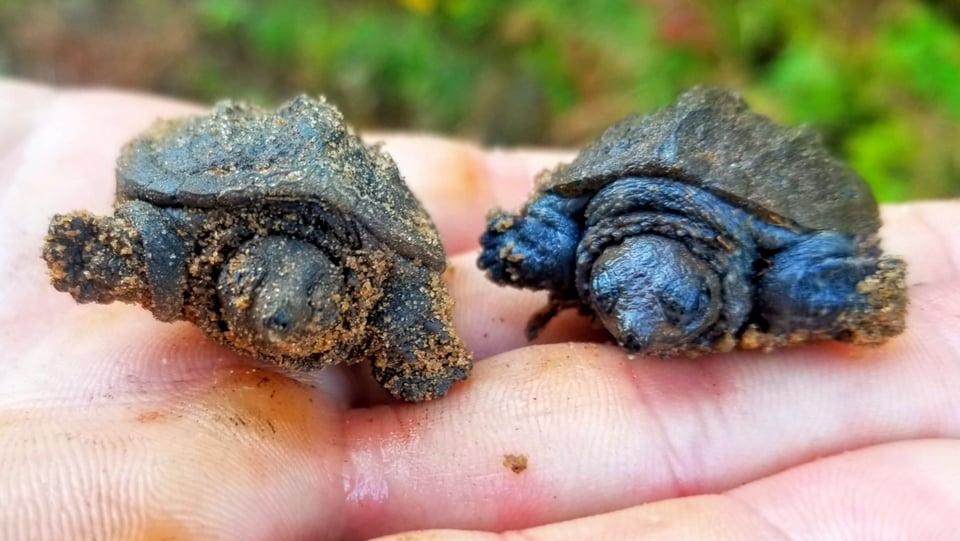
She never sees her offspring. The earth incubates the eggs for 60 to 90 days. The hatchlings dig their way out in late summer.
The Predator Toll
This migration carries heavy risks. Our modern landscape features paved roads, which present a deadly obstacle for animals with a low profile and a slow gait. For species of special concern like the Blanding's turtle, losing even a few breeding females to a vehicle tire degrades the local population. This impact is severe because northern turtles mature slowly. A female Snapping turtle must survive 15 to 20 years before she lays her first clutch of eggs.
Furthermore, once the eggs are in the ground, local predators apply intense pressure. Raccoons, skunks, and foxes actively hunt for freshly turned soil. These scavengers dig up and consume up to 90 percent of local turtle nests within the first 24 hours of the eggs hitting the dirt.
Stewardship on the Shoulder
Peak nesting season spans late May through June. Residents can protect these local populations through direct, practical action:
Scan the Shoulders: Watch the pavement edges. Pay close attention when driving near lakes, creeks, and wetlands throughout the tri-county area.
Move Them Forward: If you spot a turtle in the road and can safely pull your vehicle over, move the animal. Always place the turtle on the side of the road it was facing. If you return it to the original side, it will immediately attempt the crossing again.
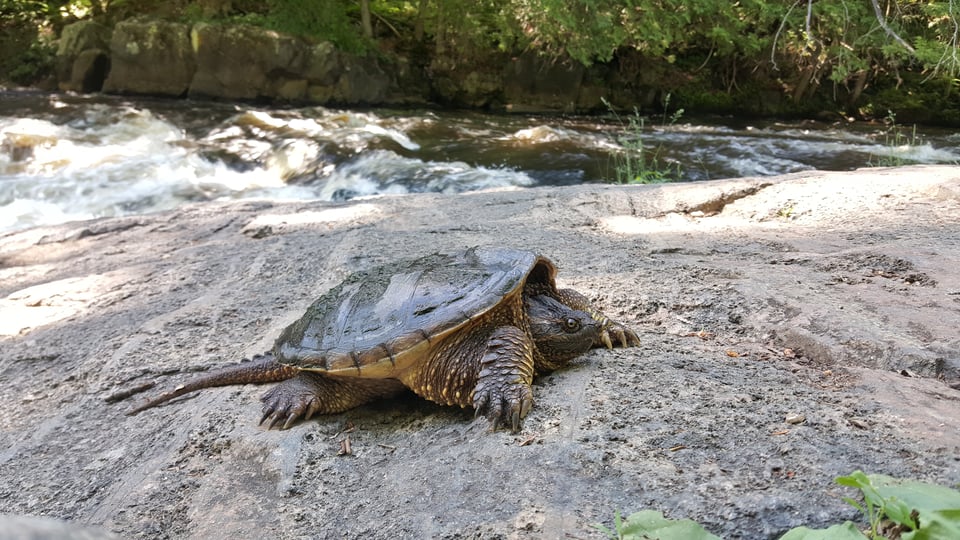
Handle Snappers with Tools: Snapping turtles possess long necks and deliver severe bites. Never pick them up by the tail. Doing so snaps their spine. Instead, use a car floor mat, a snow shovel, or a thick branch to slide them across the asphalt.
Shield the Nests: If a turtle buries eggs on your property, build a predator exclosure. Stake a piece of wire mesh securely over the nest. The wire lets the sun in and the hatchlings out. It keeps the raccoons out.
These reptiles have survived in the Northwoods for millennia. Through basic awareness and practical land stewardship, residents can ensure they remain a fixture of the working landscape.
You just read issue #92 of Northwoods Ledger. You can also browse the full archives of this newsletter.