
We believe that informed voters are the only defense against fiscal mismanagement and the erosion of local resources. If you are a paid subscriber, thank you for making this work possible.
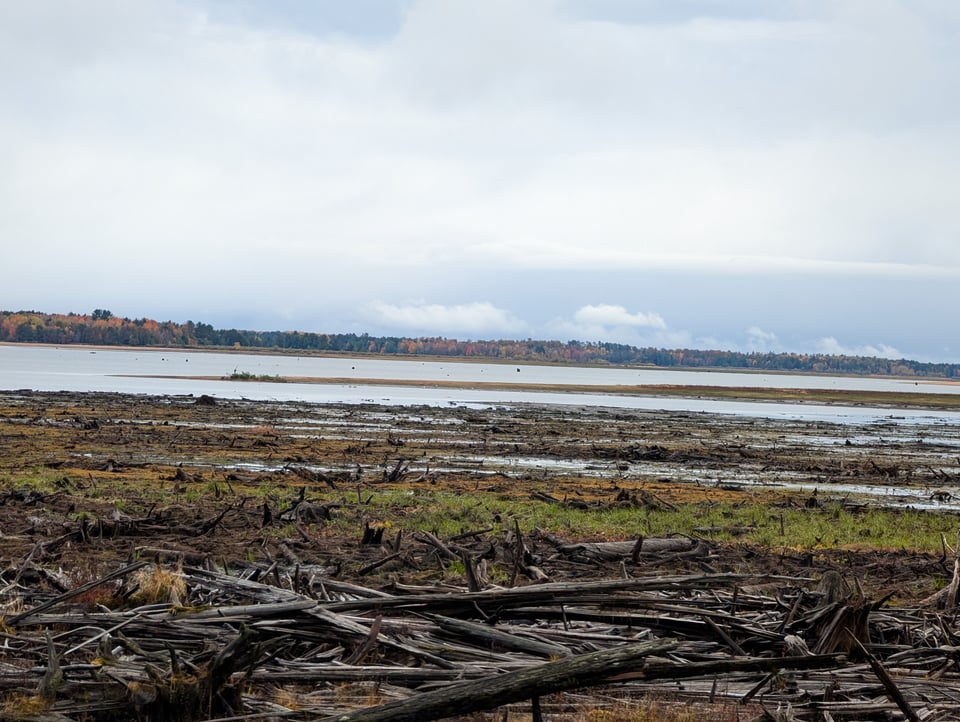
Wisconsin anglers hit the water for the inland fishing season on May 2. Behind the scenes, a $16 million budget shortfall is forcing the Department of Natural Resources to slash musky stocking by 70 percent and walleye stocking by 45 percent.
The drastic cuts feel like a disaster for communities that rely on public stocking. However, decades of data prove that dumping millions of fish into lakes fails to build sustainable fisheries. With hatchery funds exhausted, the state is shifting focus to rebuilding physical shorelines and protecting wild genetics.
The Broken Math of Licenses
Wisconsin funds conservation through a user-pay model that relies heavily on license sales. Lawmakers froze resident hunting and fishing license fees in 2005. During this two-decade freeze, inflation destroyed the purchasing power of the department. The cost of fuel, specialized fish feed, and heavy equipment skyrocketed while revenue remained flat.
Lawmakers attempted a temporary fix by authorizing a transfer of forestry funds to cover the budget gap. The Joint Committee on Finance, controlled by co-chairs Sen. Howard Marklein and Rep. Mark Born, has not released the spending authority. This political standoff starves the agency of necessary cash.
The DNR is executing immediate closures. The agency will close or drastically reduce operations at the Brule and Osceola cold-water hatcheries. The state simply lacks the cash to pay the massive heating and utility bills that large scale fish hatcheries generate.
The Good Ol’ Days of the Hatchery Truck
For decades, the state relied on mass stocking as the primary tool to support the recreational fishery and meet harvest expectations. The Wisconsin Walleye Stocking Initiative recently spent $8.2 million to stock large fall fingerlings. Managers assumed bigger fish would survive the winter. They were wrong.
Nine out of ten stocked walleyes die before they reach maturity. Biologists evaluated fall stocking in northern Wisconsin lakes between 2013 and 2020. In nearly 40 percent of those lakes, not a single stocked fish survived to adulthood. Predators ate them, or they starved. Retired Vilas County science teacher Jim Lund recently introduced a spring hearing resolution to ban the plastic liners used in state rearing ponds. Lund claims the liners cause the overall population decline by leaching chemicals that turn the fish female. The chemicals do skew the sex ratio of the survivors, but natural predation and starvation drive the initial 90 percent mortality rate.
This massive die off changes the financial math. The true cost of a fish is not measured at the hatchery gate. It is measured when a fish reaches harvestable size. When biologists account for the 90 percent mortality rate, the cost to raise one single harvestable walleye skyrockets to between $90 and $180. The state spends this money year after year. The data proves stocking acts as a permanent financial drain. It demands continuous cash but never achieves a self-sustaining, naturally reproducing population.
Building Better Water: Habitat as the Primary Solution
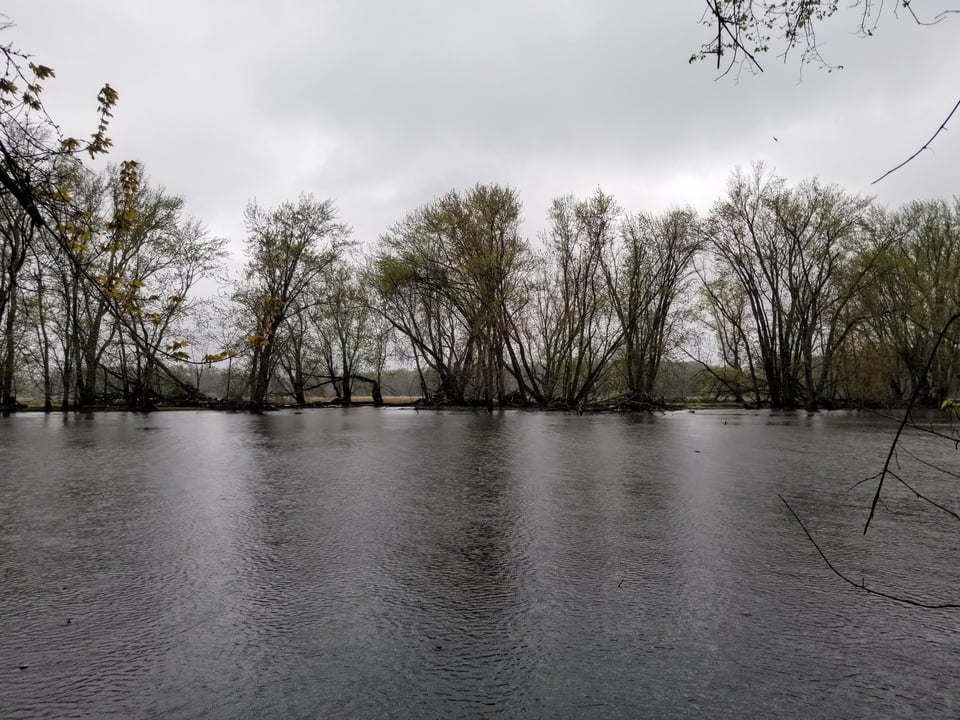
With hatcheries failing, managers are turning to the lakes themselves. The primary alternative is habitat restoration.
Between 2015 and 2024, researchers conducted a massive experiment on Sanford Lake in Vilas County. Crews dropped over 140 full sized trees into the shallow waters along the shoreline. This decaying timber injected carbon into the water and completely transformed the food web. The absolute productivity of the fish community more than doubled. Apex predators like muskies and walleyes expanded their hunting ranges to utilize the new structure.
This biology directly connects to local political fights. In Oneida County, officials are currently debating shoreland zoning rules. If the county permits property owners to clearcut trees along the shoreline, lakes permanently lose the source of that fallen timber. Without natural woody habitat, a lake loses its carrying capacity.
Unlike stocking, habitat restoration offers a proven financial model. Wisconsin anglers purchase an Inland Trout Stamp every year. By law, the DNR uses this money exclusively to restore physical stream habitats. The agency repairs an average of 25 miles of stream every year. By fixing the physical structure of a waterway, the state creates permanent, wild fisheries. This approach completely eliminates the need for hatchery trucks.
The 2026 Paradigm Shift: Genetics Over Volume
For the limited stocking that remains, the state is altering its strategy. Hatchery raceways strip fish of their survival instincts. Domesticated fish forget how to avoid predators and hunt natural prey.
The 2026 state management plan fundamentally alters policy. The DNR will now prioritize wild offspring sourced directly from local lakes.
The proof is undeniable. Wild brook trout survive at rates 17 times higher than domesticated strains. When tested against imported fish, local Wisconsin musky strains account for 90 to 98 percent of the surviving catch. Local genetics ensure survival.
Human Dimensions and Shared Waters
Generations of anglers grew up viewing hatchery trucks as the primary tool for fishery success. Musky clubs recently donated $75,000 to keep local hatcheries operating. This private funding highlights deep public dedication to the resource, but biologists warn it serves as a temporary patch rather than a permanent solution to the state deficit.
The budget crisis also creates a data vacuum. In April 2026, the DNR announced it would scale back fish population monitoring and habitat work across hundreds of waters. These surveys provide the baseline data required to manage waters shared with tribal nations. Tribal harvest quotas are updated annually based on this specific survey data. Without new counts, the state and the tribes lose the scientific basis for agreeing on safe harvest levels. This data gap destabilizes the co management framework and creates legal uncertainty over treaty rights.
Conclusion: Investing in the Wild
The $16 million DNR deficit marks a turning point for Wisconsin fisheries. With large scale stocking programs stalled, the survival of the Northwoods fishery now relies on the resilience of the water itself.
Protecting the resource requires supporting local shoreline zoning rules and adhering to lake specific harvest limits. The hatchery truck was a temporary bridge: the future of Wisconsin fishing depends on creating a wild environment where fish can sustain themselves without a state subsidy.
You just read issue #86 of Northwoods Ledger. You can also browse the full archives of this newsletter.