
We believe that informed voters are the only defense against fiscal mismanagement and the erosion of local resources. If you are a paid subscriber, thank you for making this work possible.
Spring gardening depends on temperature control. Between the final snowmelt and the June 1 frost date, you must keep your plants between 45°F and 75°F. If the dirt is colder than 45°F, the plant stops growing. If the air inside a container hits 80°F, you will cook the roots. Forget the calendar. Watch the thermometer.
Three Ways to Start
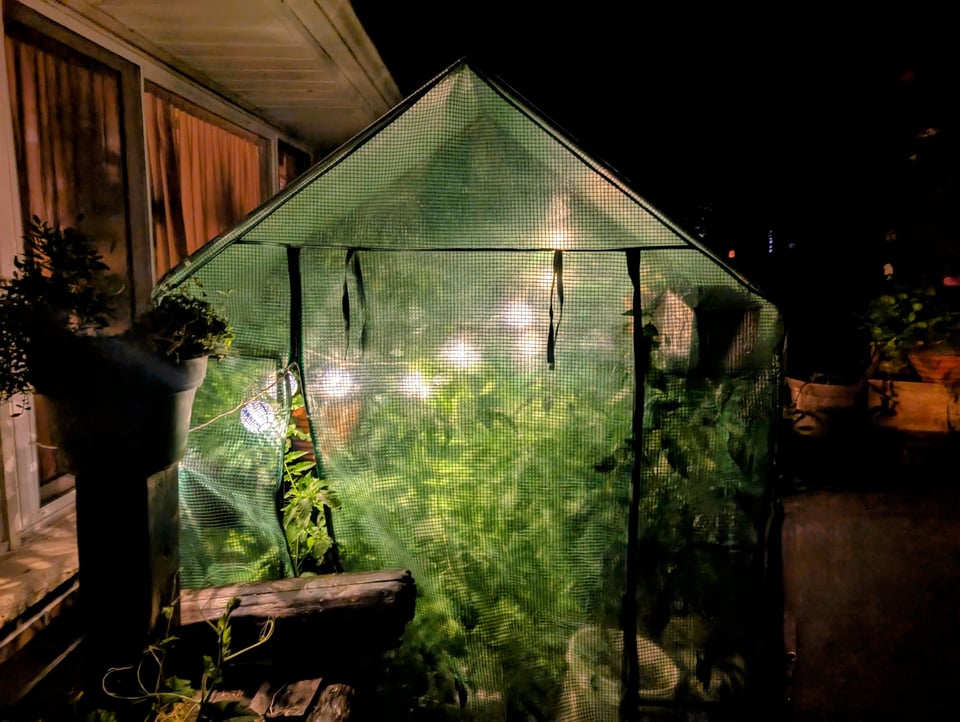
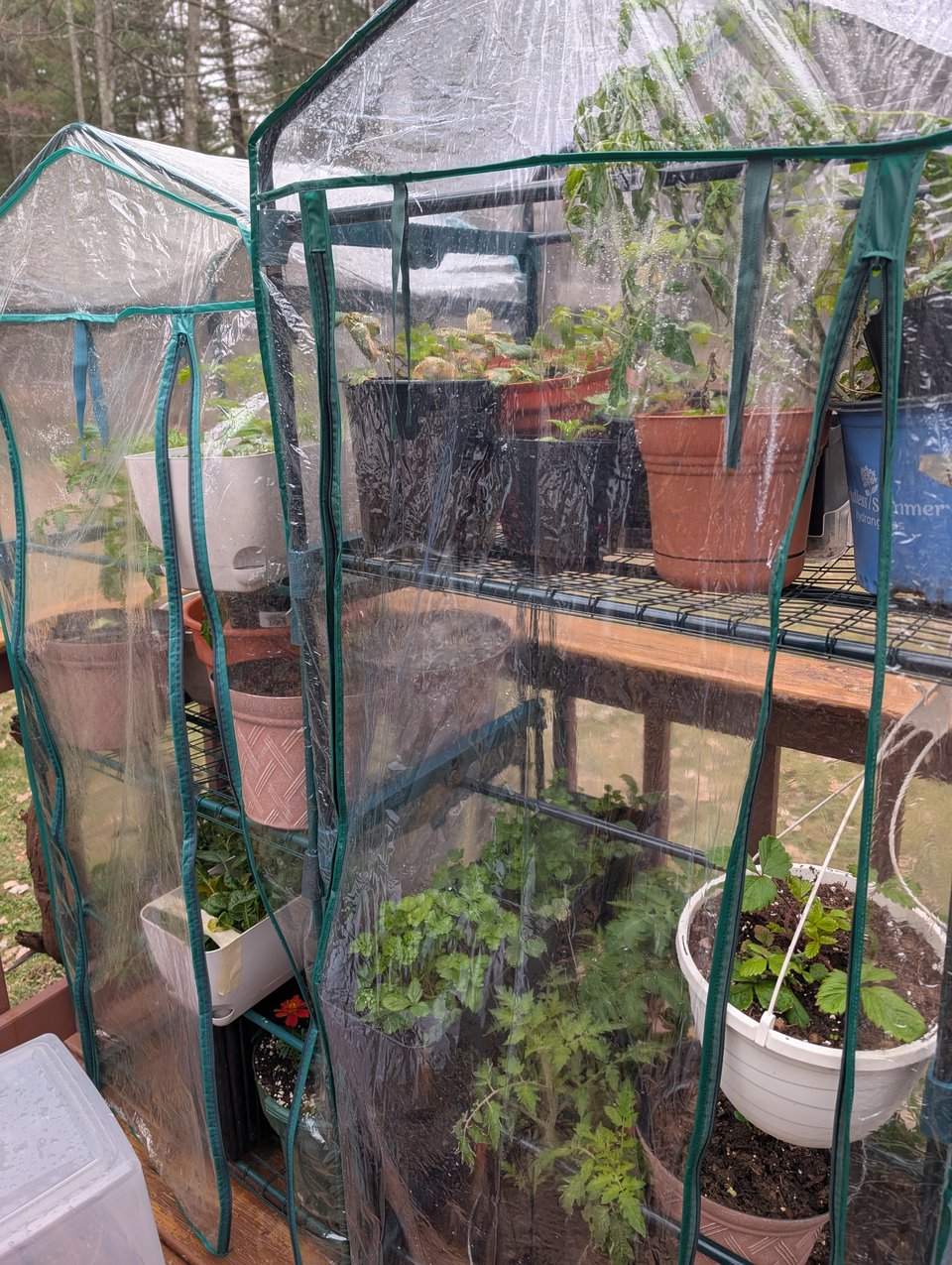
The Cold Frame: This is a large box with a glass or plastic top. It holds the most plants and stays warm the longest because of its size. It is the best choice for big batches of spinach or kale. You must check it every morning, or the sun will kill everything inside by noon.
The Milk Jug Cloche: Cut the bottom off a milk jug and place it over a single plant. Take the cap off and throw it away. The neck acts like a chimney. It lets the hottest air escape automatically while the plastic sides block the wind.
Winter Sowing: You plant seeds in milk jugs in February and leave them in a snowbank. These plants grow only when the weather is ready. They are tougher than indoor plants and do not need to be babied when the weather shifts. (See our full Winter Sowing Guide here)
How to Control the Heat
Pre-Heat the Dirt: Set your cold frames or milk jugs in the garden 48 hours before you plant. This uses the sun to bake the soil. Warm soil makes seeds sprout fast. Cold, wet mud makes them rot.
Use Water Jugs: Fill gallon jugs with water and paint them black. Place them inside your cold frames. These jugs soak up heat when the sun is out. At 3:00 AM, when the air temperature drops, the jugs radiate that heat back into the soil.
Trap the Air: If the news predicts a freeze below 30°F, plastic alone will not save your plants. Cover your frames or jugs with old quilts or heavy moving blankets. This adds a thick layer of insulation that keeps the plants 5 to 8 degrees warmer than the outside wind.
Vent the Steam: On a sunny morning, a closed container becomes an oven. It can hit 100°F by 9:00 AM. You must let the hot air out. Prop the lid open on the side facing away from the wind. A two-inch gap is enough to let the heat escape without chilling the soil.
The Daily Temperature Routine
Morning Vent (8:30 AM): If the sun hits your glass or plastic, open the vent immediately. Do not wait for the air to feel warm. The greenhouse effect works faster than the ambient air temperature.
Evening Lockdown (Sundown): Close all vents as the sun begins to set. You want to trap the last of the day's warmth before the air cools.
Night Insulation (9:00 PM): Check the overnight forecast. If a freeze is predicted, cover your containers with heavy blankets to hold the accumulated heat.
You just read issue #85 of Northwoods Ledger. You can also browse the full archives of this newsletter.