
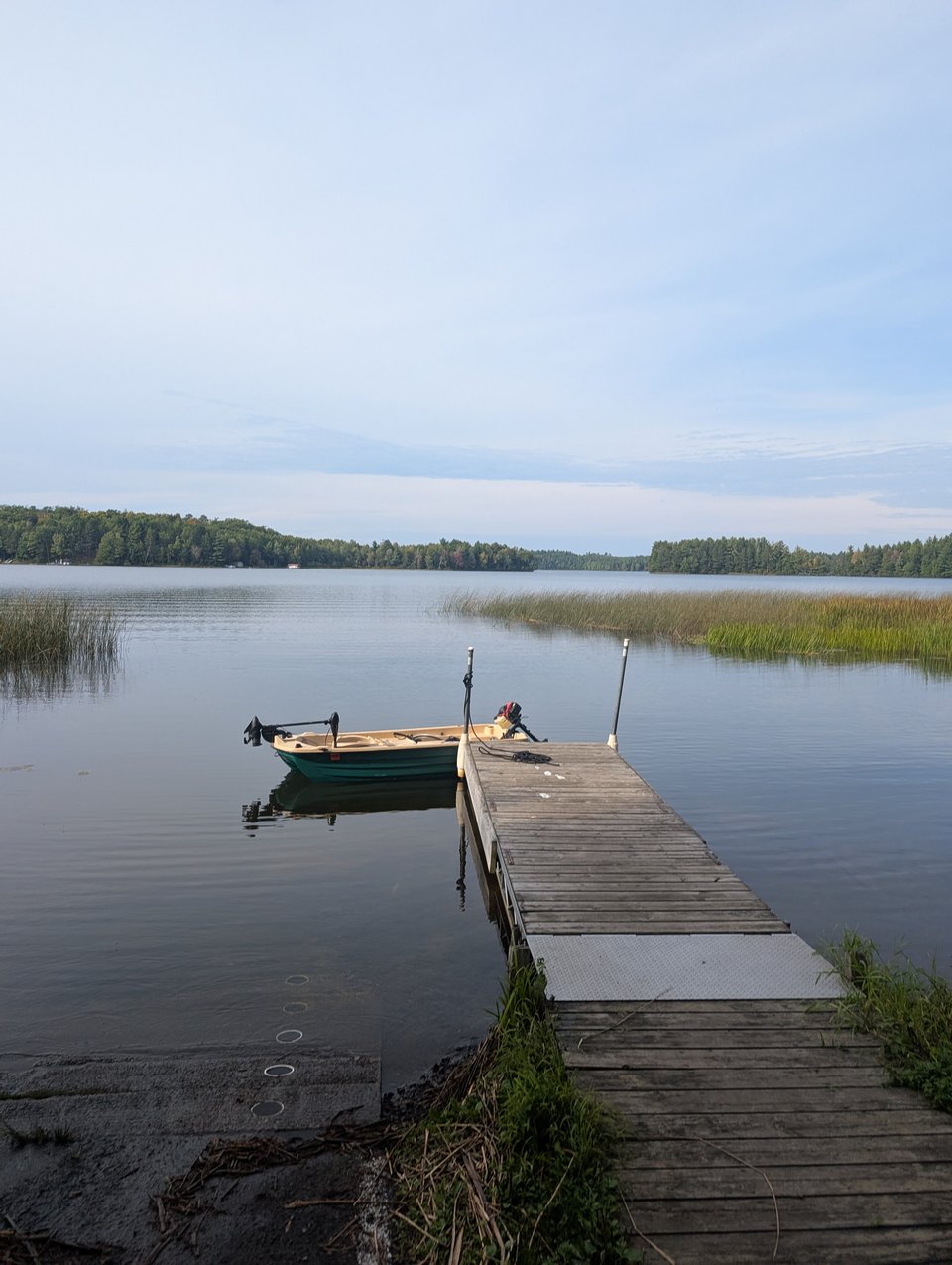
The view from your deck is the primary driver of your property’s value, but as of the 2026 spring thaw, it is also a critical data point for county compliance. Recent implementation of Ordinance Amendment #13-2022 means that the grace period for "discretionary" shoreline management in Oneida County has effectively ended.
Under the Wisconsin Public Trust Doctrine, the state holds navigable waters in trust for the public. Local zoning acts as the "utility manager" of that trust. For the property owner, this means the 35-foot ribbon of land where the water meets the shore,the Vegetative Buffer,is now a zone of mandatory stewardship.
The Enforcement Shift: Why Now?
Why is the County looking closer this season? The 2026 standards bring technical "teeth" to Chapter 9:
The Aerial Baseline: The County has finalized its high-resolution aerial mapping. This creates a digital baseline of your shoreline's canopy. Any clearing discovered during the 2026 season is measured against this record.
Automatic Multipliers: "After-the-Fact" permit fees are now a non-negotiable 2x multiplier. Clearing first and asking for forgiveness later starts at a minimum of $1,000 in administrative penalties.
The Title Lock: Restoration orders are now frequently recorded with the Register of Deeds. A violation creates a "cloud" on your title that prevents any sale or transfer until a zoning technician certifies the buffer has survived for two full growing seasons.
The "Ribbon of Life": Why Lake Health Equals Equity
A manicured lawn to the water's edge is a biological desert. To understand the buffer, you have to understand how a lake breathes and filters itself.
The Phosphorus Barrier: Native buffer plants filter up to 90% of phosphorus and 80% of sediment from upland runoff. Without this "living filter," your bay becomes a breeding ground for the blue-green algae blooms that turn clear water into a stagnant green soup.
Structural Stability: Native sedges and shrubs have root systems that dive several feet deep. This is unlike turf grass, which only reaches 2 to 3 inches. These roots act as biological rebar, protecting your bank from the "ice-shove" and wave energy that causes land loss.
Thermal Regulation: An intact canopy of cedar or alder shades the near-shore shallows. This keeps water temperatures stable for everything from nesting loons to the aquatic insects that anchor the entire food chain.
The Goose Deterrent: Canada Geese are grazers that prefer open sightlines to watch for predators. A thick, native buffer is the most effective, non-toxic way to keep geese and their waste off your lawn.
Beyond the Plants: "Fish Sticks" and Structural Habitat
A compliant shoreline isn't just about what is growing; it is about what is falling. Oneida County is now incentivizing the "Fish Sticks" program to restore the natural "messiness" that healthy lakes require.
What are Fish Sticks? These are large woody habitat structures made by anchoring whole trees (harvested from outside the 35-foot zone) to the shoreline. They are partially or fully submerged to provide immediate cover.
The "Nursery" Effect: Submerged branches are colonized by microorganisms and insects, creating a buffet for minnows and panfish. This attracts the larger game fish—bass, pike, and musky—closer to your private pier.
The Grant Opportunity: Through the Healthy Lakes & Rivers initiative, property owners can often secure grants of up to $1,000 per practice to install these structures. It is a legal way to "build" on the shoreline while improving the fishery.
Three High-Risk Violations to Avoid
Modern enforcement has closed the legacy loopholes. Here are the strategies currently leading to litigation:
Corridor Creep: Expanding your 30-foot path by "trimming" a few feet each year. Aerial audits will catch the change in the canopy.
The 50% Rule: If you renovate a "grandfathered" cabin and the cost exceeds 50% of its value, you lose your "non-conforming" status and may trigger strict mitigation requirements, including mandatory buffer restoration.
The Restoration Order: You cannot "buy" your way out of a violation. You will be legally barred from selling your home until the native plants take hold.
The Bottom Line
In the Northwoods, habitat is equity. Managing your 35-foot zone ensures that your lake remains a viable resource for the next generation and a stable asset for your portfolio.
You just read issue #47 of Northwoods Ledger. You can also browse the full archives of this newsletter.