Northwoods Ledger logo

Northwoods Ledger

Archives
Subscribe

Northwoods Ledger

Archive

The Northern Shrike - Identifying Oneida County’s Winter Assassin

The Butcher's Territory: Identifying Oneida County’s Winter Assassin

The Northern Shrike is a master of deception. It wears the soft gray plumage and "bandit mask" of a songbird, but its behavior is pure predator. Known as the "Butcher of the Northwoods," this winter visitor transforms our frozen marshes into specialized hunting grounds.

How the Northern Shrike Hunts Without Talons

Unlike hawks or owls, the Northern Shrike lacks heavy talons to crush its prey. It compensates for this lack of hardware with a brutal use of the landscape.

Free post
#39
January 26, 2026
Read more

The "User-Fee" Future: Minocqua’s New Road Strategy

The "User-Fee" Future: Minocqua’s New Road Strategy

The 0.5% Premier Resort Area Tax (PRAT) launching in Minocqua on July 1 is more than a local policy change. It represents a growing trend across the Northwoods: the shift toward a "user-fee" model for infrastructure. For decades, the burden of maintaining roads hammered by millions of visitors fell solely on local property owners. Minocqua’s 2026 strategy aims to balance that equation.

A Blueprint for the Northwoods

Free post
#38
January 26, 2026
Read more

Northwoods Curiosities: Why Trees Explode in Deep Cold

Northwoods Curiosities: Why Trees Explode in Deep Cold


If you are outside during a deep cold snap, when temperatures hit twenty below zero, you might hear loud booms echoing through the woods.

It sounds like a gunshot, but it is just nature. It is the sound of massive sugar maples splitting open under pressure.

Free post
#37
January 22, 2026
Read more

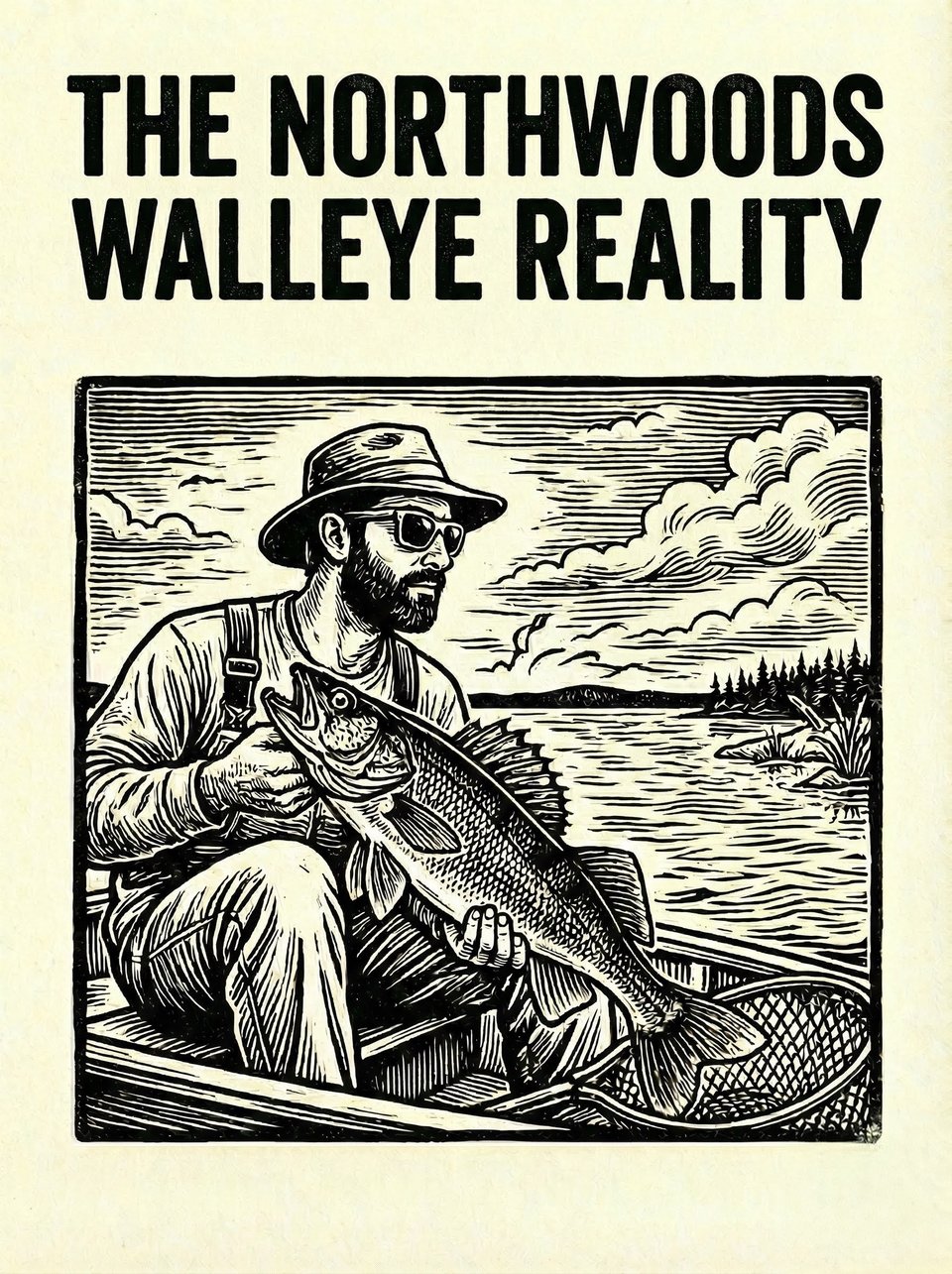
Northwoods Walleye Reality

The 2026 Northwoods walleye fishery stands at a definitive crossroads. The walleye (Sander vitreus) faces unique pressures reshaping the Wisconsin Northwoods. This is not just a cycle. It is a fundamental shift driven by three pressures: a failure in baby fish survival, a leap in angling technology, and a lake ecosystem shifting in favor of warm-water fish.

This report is a forensic accounting of the current reality.

Free post
#36
January 3, 2026
Read more

January Ledger: The Deep Freeze

The January edition of the Northwoods Ledger is live.

This issue explores survival during the coldest month. We examine the historic deep freeze of 1996. We explain the science behind squeaking snow. We also provide a chef-verified recipe for wild rice porridge to fuel your winter mornings.

Inside this issue:

  • The 1996 Freeze: A look back at the record-breaking -55°F morning in Couderay.

  • Winter Wilds: How wolves and snowshoe hares adapt to sub-zero temperatures.

  • The Morning Fuel: A hearty wild rice porridge recipe for the coldest days.

  • Stargazing: Why December and January offer the best views of the Geminid meteors.

Free post
#35
January 3, 2026
Read more

Why Great Horned Owls Nest in Sub-Zero February

Northwoods Wildlife: Why Great Horned Owls Nest in Sub-Zero February

While many birds migrate or simply try to survive the freeze, the Great Horned Owl is already raising a family. These predators are the earliest nesters in the Northwoods. They often lay eggs in Northern Wisconsin and Upper Michigan when temperatures remain well below zero.

Repurposed Nesting Habits Great Horned Owls do not construct their own nests. Instead, they scout for existing structures built by other species. They typically select heavy stick platforms left behind by red-tailed hawks, crows, or squirrels. Sometimes they utilize the hollowed-out tops of dead trees.

Free post
#34
December 19, 2025
Read more

Why Do Pine Trees Produce Yellow Dust Clouds?

In June, a stiff breeze can send massive yellow clouds drifting from the treetops, coating cars, decks, and lake surfaces in a fine powder. It looks like smoke, but it is pine pollen. Conifers like red and white pines are wind-pollinated. Unlike flowers that rely on bees, pines rely on air currents to spread their genetic material.

To ensure success, they produce massive quantities of pollen. The grains are uniquely shaped with two tiny air bladders that help them float on the wind for miles. It can be a nuisance for anyone with allergies or a clean truck, but those yellow clouds are the reason the Northwoods remains a pine forest.


Free post
#33
December 19, 2025
Read more

Why Is the River Water Brown?

Visitors often mistake the dark, tea-colored water of Northwoods rivers for being dirty. It isn't pollution; it's tannins. Much of the Northwoods is covered in peat bogs, tamarack swamps, and pine forests.

Free post
#32
December 19, 2025
Read more

The Civilian Conservation Corps in WI

If you have hiked a trail, camped in a state park, or driven a fire lane in the Northwoods, you have likely used something built by the Civilian Conservation Corps (CCC). Established in 1933 during the Great Depression, the CCC put young, unemployed men to work restoring the nation's natural resources.

In Wisconsin alone, over 92,000 "CCC Boys" planted millions of trees to reforest the cutover wastelands left by the lumber boom. They built fire towers, fought forest fires, constructed bridges, and laid the foundations for parks like Copper Falls and Rib Mountain. They lived in military-style camps, earned $30 a month, and sent $25 of it home to their families. The Northwoods we enjoy today isn't just wild; it was rebuilt by hand, one tree at a time.
Free post
#31
December 19, 2025
Read more

Wisconsin Deer Harvest 2025

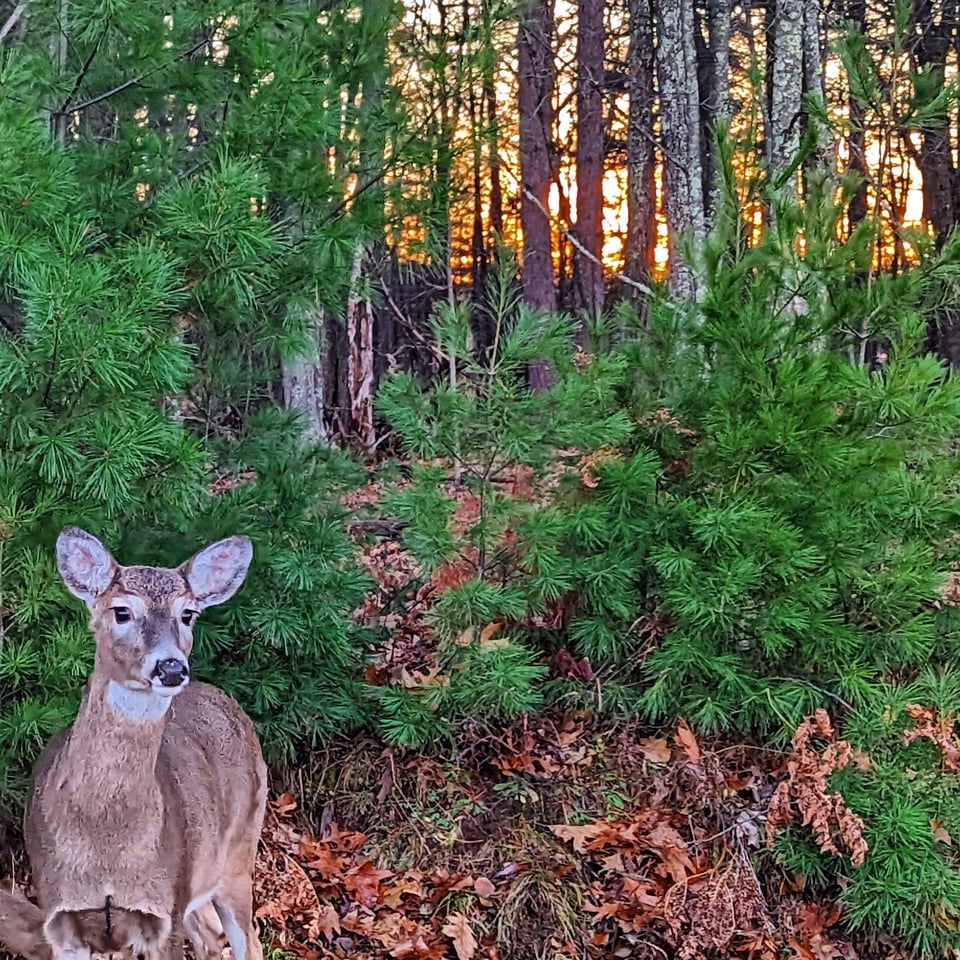
Wisconsin Deer Harvest 2025: State of the Herd 2025

The Crossroads of the Northwoods Whitetail

**By The Northwoods Ledger **

a deer in the woods
Free post
#30
December 13, 2025
Read more

Why Do Frozen Lakes Groan?

Anyone who has spent time on a frozen lake in winter has heard the eerie sounds of deep groaning and sudden cracks echoing across the ice. While it might sound unsettling, these noises are completely natural. Ice expands and contracts with temperature changes. When the temperature drops suddenly, the ice shrinks and cracks form, creating sharp, gunshot like sounds. When the temperature rises, the ice expands, and deep, moaning vibrations can be heard as the pressure shifts. Despite these sounds, thick ice remains strong.

Free post
#29
December 12, 2025
Read more

Why Do Snowbanks Look Blue?

In late winter, snowbanks often take on a blue tint, especially where they've been piled up by plows or packed down over time. This phenomenon isn't just a trick of the light, it's actually the same reason glacial ice appears blue. Fresh snow is full of tiny air pockets that scatter light, making it look bright white. But as snow becomes compacted, the air is squeezed out, allowing longer wavelengths of light (like red and yellow) to be absorbed while shorter wavelengths (like blue) are reflected back. The deeper and denser the snow, the more pronounced the effect.

Free post
#28
December 12, 2025
Read more

Why Do Loons Call More in Late Summer?

If you've spent time on the lakes in August, you may have noticed loons calling more often, especially at dusk. As fall approaches, loon families begin preparing for migration. Parents use vocalizations to communicate with their young, teaching them the distinct calls they'll need when they leave for warmer waters. Males also become more territorial, warning off any lingering loons that aren't part of their family unit.

Free post
#27
December 12, 2025
Read more

The Mail Order Brides of the Northwoods

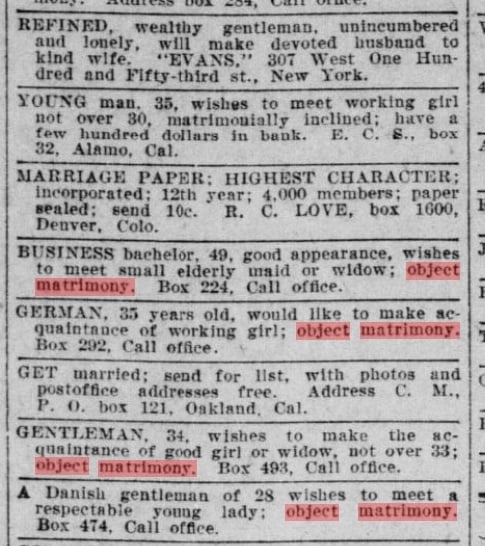
In the late 1800s, the Northwoods was filled with loggers, trappers, and railroad workers, but hardly any women. Isolated in rough frontier towns, men turned to an unusual solution: mail order brides.


History Deep Dive: The Mail-Order Brides of the Northwoods

Free post
#26
December 12, 2025
Read more

Why Do Lightning Bugs Glow?

As June evenings settle in, tiny green flashes begin to appear over meadows, marshes, and forest clearings. Fireflies are back. Fireflies use their flashing light to attract mates. Different species have different flash patterns, and some even use their glow to trick other fireflies into coming close, only to eat them! Best places to see them: Near wetlands (they love damp, open spaces) and along forest edges. On still, humid nights, the warmer and calmer the air, the more fireflies you'll see.

Free post
#25
December 12, 2025
Read more

Why Are Barns Red?

If you drive through the Northwoods or anywhere in rural America, you'll notice most old barns are red. While many assume it was just a stylistic choice, the real reason is practical, and a bit scientific. In the 18th and 19th centuries, farmers needed a cheap and effective way to protect their wooden barns from rot. They mixed their own paint, often using skimmed milk, lime, and rust (ferrous oxide). The rust acted as a preservative, preventing mold and decay. As a bonus, it gave the barn its distinctive deep red color.

Free post
#24
December 12, 2025
Read more

The Autumn Harvest: Why Cranberries Float and How to Bake Them


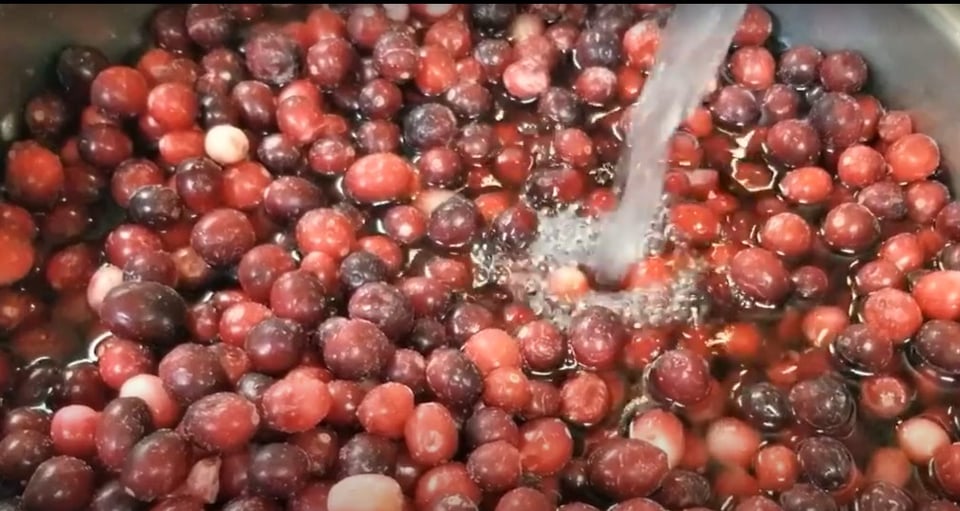
There is a distinct rhythm to autumn in the Northwoods, marked by crisp air, changing leaves, and the peak of the cranberry harvest. While we often see these tart berries piled high in local markets, the mechanics behind how they are grown and gathered are fascinating.

Free post
#23
December 12, 2025
Read more

Why Do Lakes "Turn Over"?

Every autumn, as air temperatures drop, lakes undergo a process called turnover, which helps oxygen circulate and prevents stagnation. During the summer, warm water sits at the surface while colder, denser water remains at the bottom. But when fall arrives, surface water cools, becomes heavier, and sinks, forcing deeper water upward. This mixing of water layers is essential for aquatic life, bringing oxygen to deeper areas and redistributing nutrients. Fishermen often notice turnover because it temporarily disrupts fish patterns, making them harder to locate. After a few weeks, however, fish settle into their cold weather habits, and the lakes stabilize for winter.

Free post
#22
December 12, 2025
Read more

Why Do Icicles Form on One Side of a Roof?

Have you ever noticed that icicles often form heavily on one side of a building but not the other? The answer comes down to sunlight and heat loss.

  • Sun Exposure: The side of a roof that gets more sun during the day will have melting snow, which then refreezes into icicles when the temperature drops at night.

  • Heat Escaping: If a house loses heat through its attic, snow will melt unevenly. This often leads to icicles and dangerous ice dams.

  • Wind Direction: Wind can affect where icicles form, especially if drifting snow accumulates more on one side.

Free post
#21
December 12, 2025
Read more

The Railroad That Opened the Northwoods

Before highways and snowmobiles, the Northwoods was nearly inaccessible for much of the year. That changed in the late 1800s when railroads pushed north, forever transforming the region. The logging industry was the driving force behind railroad expansion. Tracks were laid deep into the forests, allowing timber to be hauled south to sawmills and shipping yards. Small towns sprang up along the rail lines, serving as outposts for workers and their families. Though most of the old rail lines are gone, their impact remains. Many of today's snowmobile and hiking trails follow the paths of these long abandoned tracks.

Free post
#20
December 12, 2025
Read more
  Newer archives Older archives  
Powered by Buttondown, the easiest way to start and grow your newsletter.